Short answer · Medically reviewed summary · Last updated: 2026-05-08
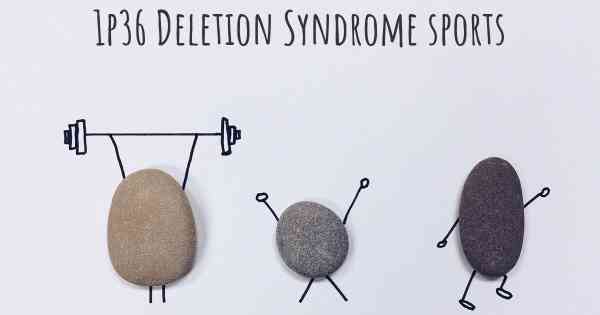
Exercise is highly recommended for individuals with 1p36 Deletion Syndrome, as it plays a critical role in improving muscle tone, motor coordination, and overall quality of life. While physical abilities vary significantly among those with 1p36 Deletion Syndrome, a personalized, low-impact activity program can effectively support physical development and emotional well-being. Is physical activity safe for those with 1p36 Deletion Syndrome? Yes, physical activity is generally safe and beneficial, provided it is tailored to the individual’s specific needs.
Exercise is highly recommended for individuals with 1p36 Deletion Syndrome, as it plays a critical role in improving muscle tone, motor coordination, and overall quality of life. While physical abilities vary significantly among those with 1p36 Deletion Syndrome, a personalized, low-impact activity program can effectively support physical development and emotional well-being.
Yes, physical activity is generally safe and beneficial, provided it is tailored to the individual’s specific needs. Many people with 1p36 Deletion Syndrome experience hypotonia (low muscle tone) and developmental delays; therefore, structured movement is essential to build strength and endurance. Always consult a pediatrician or a physiatrist before beginning a new regimen to ensure any underlying cardiac or orthopedic issues—which are common in 1p36 Deletion Syndrome—are properly assessed.
The best exercises for 1p36 Deletion Syndrome focus on improving gross motor skills and core stability in a controlled environment. Suggested activities include:
Start by working with a physical therapist who has experience with chromosomal disorders. They can create a "pacing strategy" to ensure that activity does not lead to over-exhaustion. On days when fatigue is high, focus on gentle range-of-motion exercises or restorative poses rather than strenuous activity. Gradual progression is key; monitor heart rate and breathing closely to ensure the intensity remains appropriate for the individual's current stamina.
Medical disclaimer: This information is for educational purposes only and should not replace professional medical advice, diagnosis, or treatment.