Short answer · Medically reviewed summary · Last updated: 2026-04-06
There is no specific medical diet that treats the underlying genetic cause of Achondroplasia, but maintaining a healthy, balanced diet is essential to prevent complications related to weight management and spinal health. The Importance of Weight Management For individuals with Achondroplasia, maintaining a healthy weight is the most critical nutritional goal. Because of the unique skeletal structure associated with the condition, excess weight can place significant, unnecessary stress on the spine and joints, potentially exacerbating symptoms like spinal stenosis or lumbar lordosis.
1 people with Achondroplasia have shared their first-person experience on this question at DiseaseMaps.
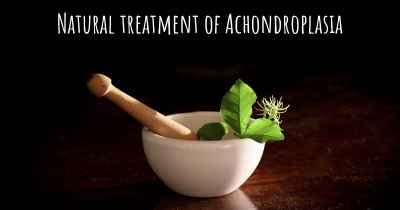
There is no specific medical diet that treats the underlying genetic cause of Achondroplasia, but maintaining a healthy, balanced diet is essential to prevent complications related to weight management and spinal health.
For individuals with Achondroplasia, maintaining a healthy weight is the most critical nutritional goal. Because of the unique skeletal structure associated with the condition, excess weight can place significant, unnecessary stress on the spine and joints, potentially exacerbating symptoms like spinal stenosis or lumbar lordosis. A diet rich in whole grains, lean proteins, fruits, and vegetables is recommended to support overall musculoskeletal health.
There is no clinical evidence supporting anti-inflammatory, ketogenic, or elimination diets specifically for Achondroplasia. While anecdotal reports sometimes suggest various restrictive diets, these lack scientific validation and may lead to nutritional deficiencies in growing children. Regarding supplements, there is currently no evidence that specific vitamins or minerals alter the course of the condition. However, pediatricians may recommend standard age-appropriate vitamin D and calcium intake to support bone density, which is standard practice for the general population.
If a patient is prescribed growth-promoting therapies, such as vosoritide, it is essential to discuss dietary intake with a clinical team to ensure no interference with medication absorption. Proper hydration remains vital for all individuals with Achondroplasia to maintain metabolic health and joint lubrication. Because the anatomy of the airway can sometimes be affected, maintaining a healthy weight also helps minimize sleep-disordered breathing, which is a known concern in this community.
Every individual’s nutritional needs vary, especially during periods of growth or when managing associated complications. Please consult your primary care physician or a registered dietitian who specializes in rare skeletal dysplasias before making significant changes to your diet or starting any new supplement regimen.
Disclaimer: This information is for educational purposes only and does not constitute medical advice, diagnosis, or treatment. Always seek the advice of your physician or other qualified health provider with any questions you may have regarding a medical condition.