Short answer · Medically reviewed summary · Last updated: 2026-05-08
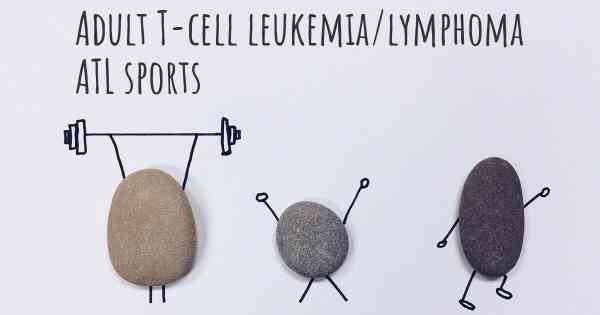
Yes, exercise is generally recommended for individuals living with Adult T-cell leukemia/lymphoma (ATL), provided it is tailored to your current energy levels and cleared by your oncology team. While physical activity can help mitigate fatigue, muscle wasting, and emotional stress, it must be approached with caution to accommodate the specific clinical manifestations of Adult T-cell leukemia/lymphoma. Is exercise safe for patients with Adult T-cell leukemia/lymphoma? For most patients with Adult T-cell leukemia/lymphoma, movement is a powerful tool to maintain functional independence.
Yes, exercise is generally recommended for individuals living with Adult T-cell leukemia/lymphoma (ATL), provided it is tailored to your current energy levels and cleared by your oncology team. While physical activity can help mitigate fatigue, muscle wasting, and emotional stress, it must be approached with caution to accommodate the specific clinical manifestations of Adult T-cell leukemia/lymphoma.
For most patients with Adult T-cell leukemia/lymphoma, movement is a powerful tool to maintain functional independence. Exercise helps combat cancer-related fatigue and may improve overall quality of life. However, because Adult T-cell leukemia/lymphoma can affect immune function and blood counts (such as platelets or hemoglobin), you must seek medical clearance to ensure your current health status allows for physical exertion.
Low-to-moderate intensity activities are best for those managing Adult T-cell leukemia/lymphoma. Focus on activities that improve cardiovascular health and muscular strength without overtaxing your immune system:
Pacing is essential when living with Adult T-cell leukemia/lymphoma. If you are experiencing symptoms like hypercalcemia, skin lesions, or severe fatigue, prioritize rest. Follow the "Rule of 3": if you feel worse 3 hours after exercise than you did before, the intensity was too high. Always listen to your body and adapt your routine daily.
A physical therapist familiar with hematologic malignancies can design a specialized rehabilitation program for Adult T-cell leukemia/lymphoma. They can help monitor your heart rate, ensure safe form during strength exercises, and adjust your plan as your treatment progresses or changes.
Medical disclaimer: This information is for educational purposes only and does not replace professional medical advice, diagnosis, or treatment.