Short answer · Medically reviewed summary · Last updated: 2026-04-08

For individuals with Andersen-Tawil syndrome, regular, low-to-moderate intensity physical activity is generally encouraged to maintain muscle strength and cardiovascular health, provided it is approached with extreme caution regarding cardiac safety. Because Andersen-Tawil syndrome involves both periodic paralysis and potential cardiac arrhythmias (such as long QT syndrome), it is essential to consult with your cardiologist and neurologist before starting any exercise program to ensure your activity level is safe for your unique heart rhythm profile. Is exercise safe for those with Andersen-Tawil syndrome? Exercise is not contraindicated for Andersen-Tawil syndrome, but it must be managed with a "start low, go slow" mentality.

6

Is it advisable to do exercise when affected by Andersen-Tawil syndrome? Which activities would you suggest and how intense should they be?

Exercise with Andersen-Tawil syndrome: which activities patients recommend or avoid, and what the evidence says.
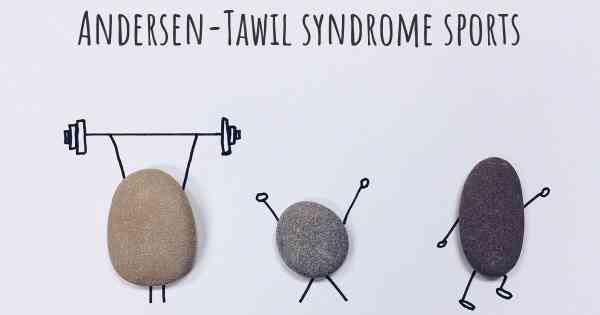
Andersen-Tawil syndrome sports

For individuals with Andersen-Tawil syndrome, regular, low-to-moderate intensity physical activity is generally encouraged to maintain muscle strength and cardiovascular health, provided it is approached with extreme caution regarding cardiac safety. Because Andersen-Tawil syndrome involves both periodic paralysis and potential cardiac arrhythmias (such as long QT syndrome), it is essential to consult with your cardiologist and neurologist before starting any exercise program to ensure your activity level is safe for your unique heart rhythm profile.


Is exercise safe for those with Andersen-Tawil syndrome?


Exercise is not contraindicated for Andersen-Tawil syndrome, but it must be managed with a "start low, go slow" mentality. The primary concern for patients with Andersen-Tawil syndrome is the potential for exercise-induced triggers, which can include both cardiac arrhythmias and episodes of muscle weakness or paralysis. Many patients find that gentle movement helps prevent muscle atrophy and improves overall mood, but you must avoid pushing to the point of extreme fatigue, which can sometimes trigger a paralytic episode in those with Andersen-Tawil syndrome.


What types of exercise are recommended?


The goal of movement for someone with Andersen-Tawil syndrome is to maintain functional mobility without overexerting the heart or the neuromuscular system. Low-impact, aerobic activities are usually the best starting point. Consider the following options:


  • Walking: Gentle, steady-state walking on flat terrain is often the most accessible form of exercise for those with Andersen-Tawil syndrome.

  • Swimming or Water Aerobics: The buoyancy of water supports the joints and muscles, which can be helpful if you experience mild weakness.

  • Restorative Yoga or Stretching: These activities help maintain flexibility and reduce stress, which is a known trigger for some patients.

  • Light Resistance Training: Using light weights or resistance bands can help preserve muscle mass, but only under the guidance of a physical therapist familiar with Andersen-Tawil syndrome.


Which activities should be approached with caution?


High-intensity interval training (HIIT), heavy weightlifting, and competitive sports that require sudden bursts of maximum exertion are generally discouraged for patients with Andersen-Tawil syndrome. These activities can place significant strain on the heart and may increase the likelihood of triggering a periodic paralysis episode. Furthermore, avoid exercising in extreme temperatures—either very hot or very cold—as thermal stress can exacerbate symptoms associated with Andersen-Tawil syndrome.


How should I start an exercise program safely?


The most important step is obtaining medical clearance from your electrophysiologist or cardiologist. Once cleared, working with a physical therapist who specializes in neuromuscular conditions can be life-changing. They can help you design a pacing strategy, which involves breaking exercise into short, manageable intervals (e.g., 5-10 minutes) followed by rest. If you feel "heavy" or notice unusual muscle weakness, stop immediately. On "bad days" when you feel symptomatic, prioritize gentle range-of-motion stretches instead of structured cardio.


Next steps


  • Schedule a consultation with your cardiologist to discuss your specific arrhythmia risks before beginning any new fitness routine.

  • Find a physical therapist who has experience with rare neuromuscular disorders or periodic paralysis.

  • Join our community at DiseaseMaps.org to connect with 32 other members who are managing Andersen-Tawil syndrome and share tips on pacing and activity.

  • Keep a daily symptom log to identify if certain types of movement correlate with muscle weakness or cardiac symptoms.


Medical Disclaimer: This information is for educational purposes only and does not replace professional medical advice, diagnosis, or treatment; always seek the advice of your physician regarding a medical condition.


References


  • NIH Genetic and Rare Diseases Information Center (GARD): Andersen-Tawil Syndrome Overview.

  • Orphanet: Periodic paralysis, Andersen-Tawil type (ORPHA:33019).

  • OMIM (Online Mendelian Inheritance in Man): Andersen-Tawil Syndrome (Entry #170390).

  • The Periodic Paralysis Association: Resources for exercise and lifestyle management.

Author: DiseaseMaps Editorial Team
Reviewed against authoritative medical sources (NIH GARD, Orphanet, OMIM)
Last updated: 2026-04-08
Medical disclaimer: This information does not substitute professional medical advice. Always consult your doctor before making health decisions.
Source: DiseaseMaps.org
1 answer

Andersen-Tawil syndrome sports

Andersen-Tawil syndrome life expectancy

What is the life expectancy of someone with Andersen-Tawil syndrome?

1 answer
Celebrities with Andersen-Tawil syndrome

Celebrities with Andersen-Tawil syndrome

1 answer
Is Andersen-Tawil syndrome hereditary?

Is Andersen-Tawil syndrome hereditary?

1 answer
Is Andersen-Tawil syndrome contagious?

Is Andersen-Tawil syndrome contagious?

1 answer
ICD9 and ICD10 codes of Andersen-Tawil syndrome

ICD10 code of Andersen-Tawil syndrome and ICD9 code

1 answer
Natural treatment of Andersen-Tawil syndrome

Is there any natural treatment for Andersen-Tawil syndrome?

1 answer
Living with Andersen-Tawil syndrome

Living with Andersen-Tawil syndrome. How to live with Andersen-Tawil syndro...

1 answer
Andersen-Tawil syndrome diet

Andersen-Tawil syndrome diet. Is there a diet which improves the quality of...

2 answers

World map of Andersen-Tawil syndrome

Find people with Andersen-Tawil syndrome through the map. Connect with them and share experiences. Join the Andersen-Tawil syndrome community.

Stories of Andersen-Tawil syndrome

ANDERSEN-TAWIL SYNDROME STORIES

Tell your story and help others

Tell my story

Andersen-Tawil syndrome forum

ANDERSEN-TAWIL SYNDROME FORUM

Ask a question and get answers from other users.

Ask a question

Find your symptoms soulmates

From now on you can add your symptoms in diseasemaps and find your symptoms soulmates. Symptoms soulmates are people with similar symptoms to you.

Symptoms soulmates

Add your symptoms and discover your soulmates map

Soulmates map