Short answer · Medically reviewed summary · Last updated: 2026-04-06
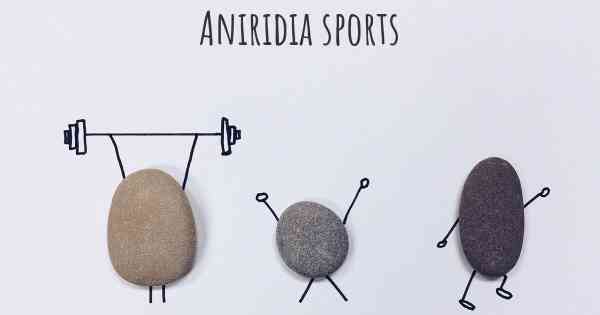
Regular physical exercise is not only safe but highly encouraged for individuals with Aniridia, provided that specific visual and safety considerations are integrated into your routine. Recommended Activities and Safety For those living with Aniridia, the primary goal of exercise is to improve cardiovascular health, muscular strength, and mental well-being without placing unnecessary stress on the ocular structures. Low-impact activities are often the most accessible and sustainable.
5 people with Aniridia have shared their first-person experience on this question at DiseaseMaps.
Regular physical exercise is not only safe but highly encouraged for individuals with Aniridia, provided that specific visual and safety considerations are integrated into your routine.
For those living with Aniridia, the primary goal of exercise is to improve cardiovascular health, muscular strength, and mental well-being without placing unnecessary stress on the ocular structures. Low-impact activities are often the most accessible and sustainable. Walking in familiar, well-lit, and level environments is excellent for building stamina. Swimming is highly recommended, as it provides a full-body workout in a controlled, low-impact setting. Yoga and Pilates are also beneficial for improving balance and core stability, which can be particularly helpful for those navigating the world with reduced visual acuity.
Because Aniridia is frequently associated with glaucoma, high-pressure intraocular conditions, and potential retinal vulnerabilities, it is wise to avoid activities that involve high-velocity impact, heavy straining, or inverted positions. Contact sports carry a significant risk of ocular trauma, which must be strictly avoided to protect the integrity of the eye. Before starting any new program, consult with your ophthalmologist to determine if your specific ocular pressure levels require you to avoid heavy weightlifting or isometric exercises that involve the Valsalva maneuver (holding your breath while straining).
Living with Aniridia can sometimes lead to fatigue related to the cognitive load of navigating environments with photophobia or nystagmus. On days when your vision feels more strained or your light sensitivity is heightened, opt for restorative movement like gentle stretching or guided meditation rather than high-intensity cardio. Always prioritize clear, high-contrast environments for your exercise sessions, and consider using a guide or a familiar route to build confidence.
Physical therapy can be instrumental for individuals with Aniridia, especially if you experience secondary issues with balance or gait. A physical therapist can help you create a customized plan that builds strength while respecting your unique visual needs. Remember, consistency is more important than intensity; even ten minutes of movement can significantly boost your mood and physical resilience.
Disclaimer: This information is for educational purposes and does not replace professional medical advice. Always consult with your ophthalmologist and primary care physician before beginning a new exercise program to ensure it is safe for your specific diagnosis.