Short answer · Medically reviewed summary · Last updated: 2026-05-08
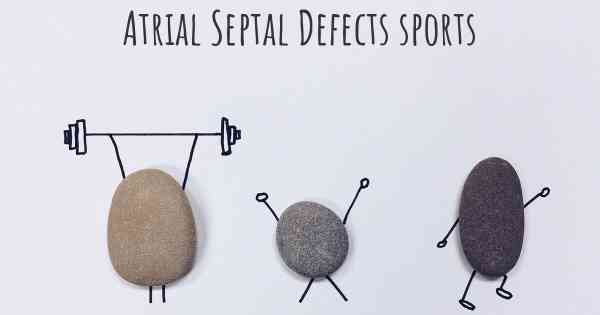
For most individuals with Atrial Septal Defects (ASD), regular physical activity is not only safe but highly encouraged to support cardiovascular health and overall well-being. Always obtain medical clearance from your cardiologist before beginning a new routine, as the appropriateness of exercise depends on the size of the defect, the presence of pulmonary hypertension, or any associated arrhythmias. Is exercise safe for those with Atrial Septal Defects? Living with Atrial Septal Defects often leads to understandable anxiety regarding heart health, but avoiding movement can lead to deconditioning.
1 people with Atrial Septal Defects have shared their first-person experience on this question at DiseaseMaps.
For most individuals with Atrial Septal Defects (ASD), regular physical activity is not only safe but highly encouraged to support cardiovascular health and overall well-being. Always obtain medical clearance from your cardiologist before beginning a new routine, as the appropriateness of exercise depends on the size of the defect, the presence of pulmonary hypertension, or any associated arrhythmias.
Living with Atrial Septal Defects often leads to understandable anxiety regarding heart health, but avoiding movement can lead to deconditioning. Exercise helps manage weight, improve mood, and strengthen the heart muscle. In the 47 members of the DiseaseMaps community currently living with Atrial Septal Defects, many find that moderate activity helps alleviate fatigue. However, if you have severe pulmonary hypertension or complex rhythm disturbances, your specialist may recommend limiting intensity.
The goal is to maintain a heart rate that feels "comfortable" rather than "strenuous." Safe activities typically include:
If you have been diagnosed with Atrial Septal Defects, it is vital to listen to your body. On "difficult days" where you feel increased shortness of breath or palpitations, prioritize rest or gentle stretching over formal exercise. Use the "talk test": you should be able to carry on a conversation while moving. If you cannot speak, you are working too hard.
If you are unsure where to start, ask your physician for a referral to a cardiac rehabilitation program. A physical therapist can create a tailored plan for Atrial Septal Defects that accounts for your specific hemodynamic profile. This structured environment ensures you progress safely, builds confidence, and helps you recognize your body’s unique limits.
Medical disclaimer: This information is for educational purposes only and does not replace professional medical advice, diagnosis, or treatment.