Short answer · Medically reviewed summary · Last updated: 2026-04-07
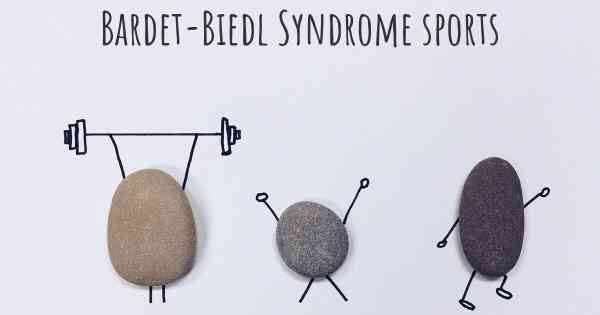
Regular, low-impact physical activity is highly recommended for individuals with Bardet-Biedl Syndrome to manage weight, improve cardiovascular health, and support metabolic function. While exercise must be tailored to individual needs—particularly regarding vision loss and mobility challenges—a structured, gradual approach is both safe and vital for long-term well-being. Is exercise safe and beneficial for people with Bardet-Biedl Syndrome? Yes, exercise is not only safe but essential for those living with Bardet-Biedl Syndrome.
2 people with Bardet-Biedl Syndrome have shared their first-person experience on this question at DiseaseMaps.
Regular, low-impact physical activity is highly recommended for individuals with Bardet-Biedl Syndrome to manage weight, improve cardiovascular health, and support metabolic function. While exercise must be tailored to individual needs—particularly regarding vision loss and mobility challenges—a structured, gradual approach is both safe and vital for long-term well-being.
Yes, exercise is not only safe but essential for those living with Bardet-Biedl Syndrome. Because this condition often involves early-onset obesity, metabolic syndrome, and kidney involvement, maintaining an active lifestyle is one of the most effective ways to mitigate these secondary health risks. Furthermore, the 121 members of the DiseaseMaps community with Bardet-Biedl Syndrome frequently report that consistent movement helps improve mood, muscle tone, and overall quality of life. The goal is not high-intensity training, but rather functional movement that supports daily independence.
The best exercises for Bardet-Biedl Syndrome are those that minimize joint impact while maximizing engagement of large muscle groups. Because many patients experience vision impairment, safety in the environment is paramount. Consider these activities:
Activities that carry a high risk of falling or significant head impact should be approached with extreme caution or avoided. For individuals with Bardet-Biedl Syndrome who have significant visual impairment, high-impact contact sports or uneven outdoor terrain (like hiking on rocky trails) may present a high risk of injury. Always prioritize environments where you feel secure and have clear, consistent paths. If you experience kidney-related symptoms or significant fatigue, high-intensity interval training (HIIT) should be avoided in favor of steady-state, low-intensity movement.
Before beginning any new regimen, you must obtain medical clearance from your primary care physician or a specialist who understands the multisystem nature of Bardet-Biedl Syndrome. Start with a "low and slow" approach to prevent burnout and injury. We recommend the following pacing strategy:
Medical disclaimer: This information is for educational purposes only and does not replace professional medical advice, diagnosis, or treatment; always consult with your healthcare team before starting a new exercise program.