Short answer · Medically reviewed summary · Last updated: 2026-04-07
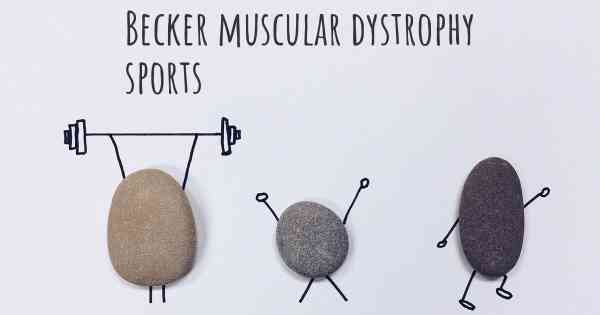
Yes, low-impact exercise is generally recommended for individuals with Becker muscular dystrophy, as it can help maintain joint mobility and muscle function while preventing secondary complications. Patients should focus on submaximal, non-fatiguing activities under the guidance of a physical therapist to ensure safety and avoid the muscle damage associated with overexertion. Is exercise safe for people with Becker muscular dystrophy? For individuals living with Becker muscular dystrophy, the goal of physical activity is to maintain function rather than build muscle mass through intense strain.
1 people with Becker muscular dystrophy have shared their first-person experience on this question at DiseaseMaps.
Yes, low-impact exercise is generally recommended for individuals with Becker muscular dystrophy, as it can help maintain joint mobility and muscle function while preventing secondary complications. Patients should focus on submaximal, non-fatiguing activities under the guidance of a physical therapist to ensure safety and avoid the muscle damage associated with overexertion.
For individuals living with Becker muscular dystrophy, the goal of physical activity is to maintain function rather than build muscle mass through intense strain. Because Becker muscular dystrophy causes progressive muscle weakness due to the lack of dystrophin, high-intensity exercise—especially eccentric exercise (lengthening the muscle under tension)—can actually cause further micro-tears in muscle fibers. However, avoiding movement entirely can lead to joint contractures and muscle atrophy. When approached with caution, regular, low-impact activity is a vital component of managing Becker muscular dystrophy and improving overall quality of life.
The best activities for those with Becker muscular dystrophy are those that provide cardiovascular benefits without placing excessive stress on the muscles. Engaging in consistent, moderate-intensity movement helps with weight management, which reduces the load on weakening muscles. Recommended activities include:
It is critical to avoid "eccentric" exercises, such as downhill running, heavy weightlifting, or any activity that leads to significant muscle soreness or exhaustion. Any activity that causes acute pain or leaves you feeling excessively fatigued the following day is likely too intense. Always listen to your body; if you feel pain, stop immediately.
Before beginning any new regimen, you must consult with a neurologist or a physical therapist experienced in neuromuscular disorders. A professional can help you design a program that starts with very low-intensity sessions, gradually increasing duration rather than intensity. At DiseaseMaps.org, we have seen that many of our 93 community members with Becker muscular dystrophy benefit from "pacing"—a technique where you break exercise into small, manageable intervals throughout the day to avoid burnout.
Physical therapy is the cornerstone of Becker muscular dystrophy management. A skilled therapist will assess your current strength and mobility to create a personalized plan. They can also assist with orthotics, bracing, or mobility aids that make staying active safer and more sustainable as the condition progresses.
Medical disclaimer: This information is for educational purposes only and should not replace professional medical advice, diagnosis, or treatment from your healthcare provider.