Short answer · Medically reviewed summary · Last updated: 2026-04-06
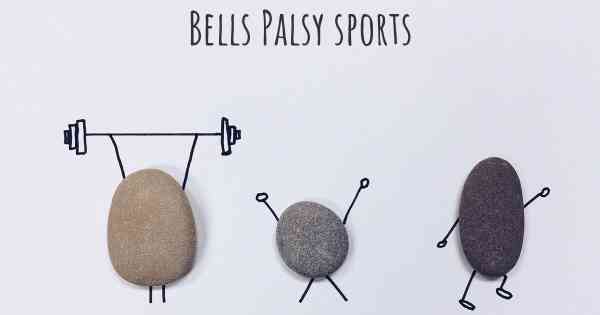
Gentle physical exercise is generally safe and encouraged for individuals with Bell’s Palsy, provided you avoid high-impact activities that cause excessive facial strain or exposure to wind. Safe and Beneficial Activities Movement is a vital component of recovery, as it helps manage the stress associated with the sudden onset of Bell’s Palsy symptoms. Low-impact aerobic activities such as walking, light swimming, or restorative yoga are excellent ways to maintain cardiovascular health without overexerting the facial muscles.
2 people with Bells Palsy have shared their first-person experience on this question at DiseaseMaps.
Gentle physical exercise is generally safe and encouraged for individuals with Bell’s Palsy, provided you avoid high-impact activities that cause excessive facial strain or exposure to wind.
Movement is a vital component of recovery, as it helps manage the stress associated with the sudden onset of Bell’s Palsy symptoms. Low-impact aerobic activities such as walking, light swimming, or restorative yoga are excellent ways to maintain cardiovascular health without overexerting the facial muscles. When practicing yoga, ensure you are not holding your breath or straining your face, as this can exacerbate tension in the affected area.
While recovering from Bell’s Palsy, you should avoid activities that expose your face to cold wind or drafts, such as cycling or running outdoors in inclement weather, as this can irritate the exposed eye and worsen nerve sensitivity. Additionally, avoid heavy strength training that requires intense "grunting" or facial grimacing, as this can lead to abnormal muscle recruitment patterns. Always consult your neurologist or physical therapist before starting a new regimen to ensure it aligns with your specific recovery stage.
Physical therapy is a cornerstone of Bell’s Palsy rehabilitation, specifically focusing on facial neuromuscular retraining. Your therapist will guide you through gentle mirror exercises to improve muscle symmetry and prevent synkinesis. On days when symptoms feel more pronounced, such as increased eye dryness or fatigue, prioritize "pacing." This means shortening the duration of your walk or opting for a gentle stretching session rather than a full workout. Listening to your body is essential; if you notice increased discomfort, it is a signal to rest. Engaging in consistent, moderate activity not only supports physical recovery but also significantly boosts mood and mental well-being during the challenging journey of managing Bell’s Palsy.
Medical Disclaimer: This information is for educational purposes only and does not replace professional medical advice. Always consult your physician before beginning any new exercise program, especially when managing the neurological symptoms of Bell’s Palsy.