Short answer · Medically reviewed summary · Last updated: 2026-04-07
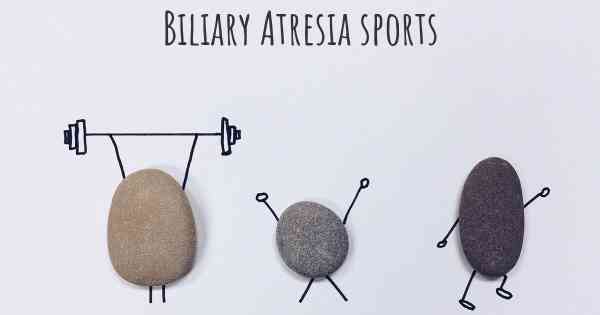
Physical activity is generally encouraged for children and adults living with Biliary Atresia, as it helps maintain muscle mass, bone density, and cardiovascular health. While exercise must be tailored to the individual’s liver function and overall health status, low-to-moderate intensity movement is a safe and beneficial way to manage the physical and emotional challenges of Biliary Atresia. Is exercise safe for patients with Biliary Atresia? For most individuals, including those who have undergone a Kasai procedure or liver transplantation, staying active is vital.
1 people with Biliary Atresia have shared their first-person experience on this question at DiseaseMaps.
Physical activity is generally encouraged for children and adults living with Biliary Atresia, as it helps maintain muscle mass, bone density, and cardiovascular health. While exercise must be tailored to the individual’s liver function and overall health status, low-to-moderate intensity movement is a safe and beneficial way to manage the physical and emotional challenges of Biliary Atresia.
For most individuals, including those who have undergone a Kasai procedure or liver transplantation, staying active is vital. Biliary Atresia can lead to complications such as portal hypertension, fatigue, and muscle wasting (sarcopenia). Regular, controlled movement helps combat these effects. However, because Biliary Atresia can cause an enlarged spleen (splenomegaly) or coagulation issues, it is essential to receive clearance from your hepatologist before starting any new regimen. Our community at DiseaseMaps.org, which currently includes 342 members living with Biliary Atresia, often shares that movement helps improve their quality of life and stamina.
The goal of exercising with Biliary Atresia is to improve functional capacity without overtaxing the liver or risking injury. Focus on activities that build endurance and core stability while remaining low-impact. Recommended activities include:
Safety is the priority when managing Biliary Atresia. You should avoid high-contact sports (such as football, rugby, or wrestling) if you have splenomegaly, as an enlarged spleen is more vulnerable to rupture during impact. Additionally, avoid activities that involve heavy straining or breath-holding (the Valsalva maneuver), as this can increase pressure in the portal vein. If you experience jaundice, severe fatigue, or abnormal liver enzyme spikes, it is best to reduce intensity or take a rest day.
The key to success is a "start low, go slow" approach. Begin with 5–10 minutes of light activity and observe how your body recovers. If you feel excessively exhausted the following day, decrease the intensity. Physical therapy is a highly recommended resource; a therapist can create a customized plan that accounts for your specific surgical history and liver health. Pacing is crucial—learn to recognize your body's signals and prioritize rest on days when your energy levels are low, which is a common reality for those managing Biliary Atresia.
Medical disclaimer: This information is for educational purposes only and does not replace professional medical advice, diagnosis, or treatment from your healthcare team.