Short answer · Medically reviewed summary · Last updated: 2026-04-07
Bipolar Disorder is not a contagious disease and cannot be transmitted from person to person through physical contact, respiratory droplets, or any other form of social interaction. Because Bipolar Disorder is a complex psychiatric condition rooted in neurobiology, genetics, and environmental interplay, it poses absolutely no risk of infection to family members, caregivers, or friends. It is not caused by viruses, bacteria, or pathogens, but rather by disruptions in brain chemistry, structural differences in neural circuits, and underlying genetic predispositions. Understanding the Causes The development of Bipolar Disorder is generally attributed to a combination of factors: Genetics: It is highly heritable; individuals with a first-degree relative with the condition have a higher statistical likelihood of developing it themselves. Neurochemistry: Imbalances in neurotransmitters—such as dopamine, serotonin, and norepinephrine—play a significant role in mood regulation. Environmental Triggers: While the condition is not "caught," certain life stressors, such as major life changes, sleep deprivation, or childhood trauma, can act as catalysts that trigger the onset or recurrence of episodes in vulnerable individuals. Addressing Stigma and Misconceptions The misconception that Bipolar Disorder is contagious often stems from a historical lack of understanding regarding mental health, or from observing how mood states can influence the emotional atmosphere of a household.
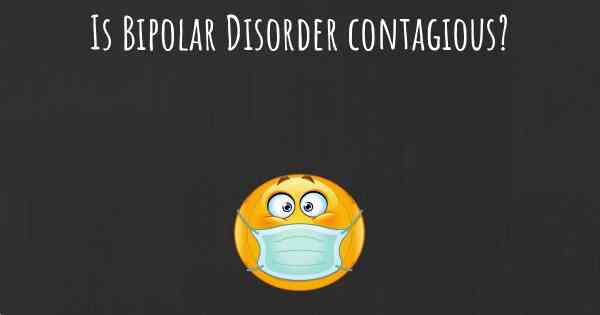
Bipolar Disorder is not a contagious disease and cannot be transmitted from person to person through physical contact, respiratory droplets, or any other form of social interaction.
Because Bipolar Disorder is a complex psychiatric condition rooted in neurobiology, genetics, and environmental interplay, it poses absolutely no risk of infection to family members, caregivers, or friends. It is not caused by viruses, bacteria, or pathogens, but rather by disruptions in brain chemistry, structural differences in neural circuits, and underlying genetic predispositions.
The development of Bipolar Disorder is generally attributed to a combination of factors:
The misconception that Bipolar Disorder is contagious often stems from a historical lack of understanding regarding mental health, or from observing how mood states can influence the emotional atmosphere of a household. This "emotional contagion"—where the distress of a loved one impacts the well-being of those around them—is a psychological phenomenon, not a biological infection. It is vital to separate the behavioral symptoms of Bipolar Disorder from the concept of communicable disease to reduce the social isolation many patients face.
Living with or being near someone with Bipolar Disorder is safe. There is no medical risk associated with intimate contact, sharing meals, or providing support to a loved one navigating this condition. Compassionate support and stable routines remain the most effective ways to help those you care about.
Medical Disclaimer: This information is for educational purposes only and does not constitute medical advice, diagnosis, or treatment. Always seek the advice of your physician or other qualified health provider with any questions you may have regarding a medical condition.