Short answer · Medically reviewed summary · Last updated: 2026-04-07
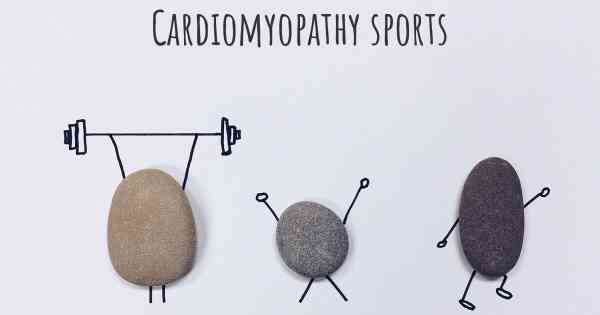
For patients with cardiomyopathy, physical activity is generally recommended, but it must be tailored to the specific type and severity of the condition under strict medical supervision. While moderate, low-intensity exercise can improve cardiovascular efficiency and overall quality of life, high-intensity or competitive sports are often contraindicated to prevent cardiac stress. Is exercise safe for patients with cardiomyopathy? Many patients living with cardiomyopathy fear that physical activity will damage their heart, but clinical evidence suggests that sedentary behavior can lead to deconditioning and increased symptom burden.
5 people with Cardiomyopathy have shared their first-person experience on this question at DiseaseMaps.
For patients with cardiomyopathy, physical activity is generally recommended, but it must be tailored to the specific type and severity of the condition under strict medical supervision. While moderate, low-intensity exercise can improve cardiovascular efficiency and overall quality of life, high-intensity or competitive sports are often contraindicated to prevent cardiac stress.
Many patients living with cardiomyopathy fear that physical activity will damage their heart, but clinical evidence suggests that sedentary behavior can lead to deconditioning and increased symptom burden. Because cardiomyopathy encompasses several distinct forms—including hypertrophic, dilated, and restrictive—the "safety" of exercise depends entirely on your specific diagnosis and functional capacity. Always obtain clearance from your cardiologist before starting any routine, as they can assess your risk for arrhythmias and ensure your heart is stable enough for physical exertion.
Low-to-moderate intensity aerobic activities are typically the gold standard for those with cardiomyopathy. These activities help maintain muscle tone and improve circulation without placing excessive strain on the heart muscle. Recommended activities often include:
Activities that involve sudden, high-intensity bursts of exertion or heavy isometric straining are generally discouraged for individuals with cardiomyopathy. Avoid competitive sports, heavy weightlifting, and high-intensity interval training (HIIT), as these can trigger abnormal heart rhythms or exacerbate symptoms. If you experience dizziness, lightheadedness, chest pain, or unusual shortness of breath during any activity, stop immediately and contact your healthcare team.
The key to success for those with cardiomyopathy is a "start low, go slow" approach. A physical therapist specializing in cardiac rehabilitation can help you design a program that tracks your heart rate and perceived exertion. On days when you feel fatigued—a common symptom of cardiomyopathy—it is vital to use pacing strategies. This might mean breaking a 30-minute walk into three 10-minute segments throughout the day or choosing restorative stretching over cardiovascular exercise. Listen to your body; consistency is far more important than intensity.
Cardiac rehabilitation is a supervised program that provides a safety net for patients with cardiomyopathy. With 256 members of the DiseaseMaps community already sharing their experiences, we know that many find immense value in structured programs where vitals are monitored by medical professionals. These programs not only improve physical strength but also provide the psychological support necessary to manage the anxiety that often accompanies a heart condition.
Medical disclaimer: This content is for informational purposes only and does not constitute medical advice; always consult with your personal healthcare team regarding your specific diagnosis and treatment plan.