Short answer · Medically reviewed summary · Last updated: 2026-05-08
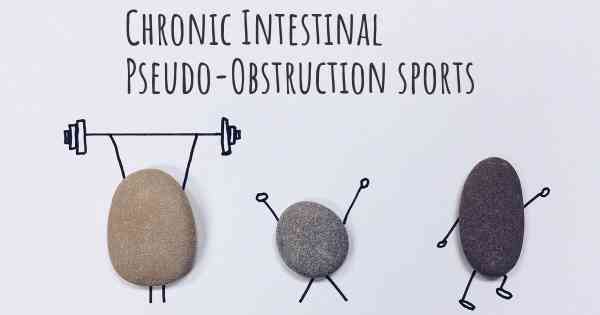
Exercise is generally recommended for individuals with Chronic Intestinal Pseudo-Obstruction (CIPO), provided it is approached with caution and tailored to your specific physical limitations. While intense activity may exacerbate symptoms, low-impact movement can improve muscle tone, support emotional well-being, and aid in managing the chronic fatigue often associated with CIPO. Is exercise safe for patients with Chronic Intestinal Pseudo-Obstruction? For many living with Chronic Intestinal Pseudo-Obstruction, fear of triggering a bowel flare-up or worsening abdominal pain is a significant barrier to physical activity.
Exercise is generally recommended for individuals with Chronic Intestinal Pseudo-Obstruction (CIPO), provided it is approached with caution and tailored to your specific physical limitations. While intense activity may exacerbate symptoms, low-impact movement can improve muscle tone, support emotional well-being, and aid in managing the chronic fatigue often associated with CIPO.
For many living with Chronic Intestinal Pseudo-Obstruction, fear of triggering a bowel flare-up or worsening abdominal pain is a significant barrier to physical activity. However, total inactivity can lead to deconditioning and muscle atrophy. The goal is to maintain mobility without overexerting the digestive system. Always seek clearance from your gastroenterologist before beginning, as your specific nutritional status and electrolyte balance must be stable.
Focus on low-impact, restorative activities that do not place excessive pressure on the abdomen. Benefits include improved circulation and mental health, which are crucial when managing a rare condition like Chronic Intestinal Pseudo-Obstruction. Consider these options:
Pacing is essential for patients with Chronic Intestinal Pseudo-Obstruction. On days when you experience increased bloating or pain, skip formal exercise and focus on "gentle motion," such as slow stretching or simply changing positions to aid digestion. Never push through sharp or new pain; instead, use the "stop-light" method: green for good, yellow for caution, and red for stopping immediately to prioritize rest.
Medical disclaimer: This information is for educational purposes only and does not replace professional medical advice, diagnosis, or treatment.