Short answer · Medically reviewed summary · Last updated: 2026-05-08
While there is no "natural cure" for Complex Post Traumatic Stress Disorder (CPTSD), several complementary practices can help manage symptoms like emotional dysregulation and hyperarousal when used alongside conventional therapy. It is essential to understand that these approaches are supportive tools rather than primary treatments, and their efficacy varies significantly between individuals. What evidence supports complementary approaches for CPTSD? Research into Complex Post Traumatic Stress Disorder (CPTSD) increasingly highlights the importance of nervous system regulation.
1 people with Complex Post Traumatic Stress Disorder (CPTSD) have shared their first-person experience on this question at DiseaseMaps.
While there is no "natural cure" for Complex Post Traumatic Stress Disorder (CPTSD), several complementary practices can help manage symptoms like emotional dysregulation and hyperarousal when used alongside conventional therapy. It is essential to understand that these approaches are supportive tools rather than primary treatments, and their efficacy varies significantly between individuals.
Research into Complex Post Traumatic Stress Disorder (CPTSD) increasingly highlights the importance of nervous system regulation. While clinical trials are more robust for psychotherapy (like EMDR or DBT), mind-body interventions show promise in helping individuals with CPTSD reconnect with their bodies. Currently, evidence for these practices is largely based on studies of PTSD, with smaller, emerging data sets focusing specifically on the complex trauma profile.
Many patients in our DiseaseMaps community of 77 members find that integrating physical and meditative practices helps manage the physiological symptoms of Complex Post Traumatic Stress Disorder (CPTSD). Effective complementary strategies often include:
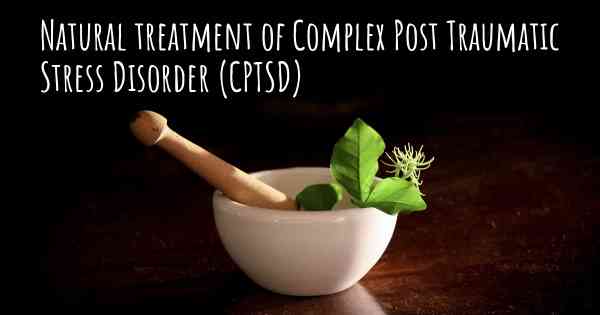
Patients often explore herbal supplements like Ashwagandha or Magnesium to manage anxiety. However, supplements are not strictly regulated and can interact dangerously with psychiatric medications used to treat Complex Post Traumatic Stress Disorder (CPTSD). Always consult your psychiatrist or primary care physician before adding any new supplement to your regimen to avoid adverse interactions with your current treatment plan.
Medical Disclaimer: This content is for informational purposes only and does not constitute medical advice, diagnosis, or treatment; always seek the advice of your physician regarding a medical condition.