Short answer · Medically reviewed summary · Last updated: 2026-05-08
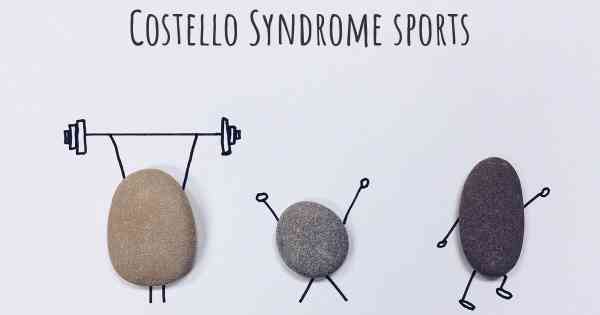
Yes, exercise is generally recommended and highly beneficial for individuals with Costello syndrome, provided it is approached with medical supervision and careful pacing. Physical activity helps manage the muscle weakness, joint laxity, and cardiac considerations common in Costello syndrome, improving both physical strength and overall quality of life. Is exercise safe for those with Costello syndrome? Because Costello syndrome is a multisystem disorder that often involves hypertrophic cardiomyopathy and joint hypermobility, exercise must be tailored to the individual’s cardiac status.
Yes, exercise is generally recommended and highly beneficial for individuals with Costello syndrome, provided it is approached with medical supervision and careful pacing. Physical activity helps manage the muscle weakness, joint laxity, and cardiac considerations common in Costello syndrome, improving both physical strength and overall quality of life.
Because Costello syndrome is a multisystem disorder that often involves hypertrophic cardiomyopathy and joint hypermobility, exercise must be tailored to the individual’s cardiac status. While cardiovascular health is a priority, high-intensity or contact sports are typically discouraged due to the risk of injury and cardiac strain. With clearance from a pediatric cardiologist, low-impact, consistent movement is a cornerstone of managing the physical challenges associated with Costello syndrome.
Focusing on low-impact activities that build core stability and muscle tone is ideal. For the 13 members of our DiseaseMaps community and others living with Costello syndrome, the following activities are often beneficial:
Always begin with a comprehensive evaluation by your medical team, specifically a cardiologist, to establish a safe heart-rate range. When starting, use a "start low, go slow" approach. On days when fatigue—a common symptom of Costello syndrome—is high, prioritize restorative movement like light stretching over aerobic exercise. Pacing is essential; listen to your body and break activity into 10-minute intervals to avoid overexertion.
Medical disclaimer: This information is for educational purposes only and does not replace professional medical advice, diagnosis, or treatment.