Short answer · Medically reviewed summary · Last updated: 2026-04-07
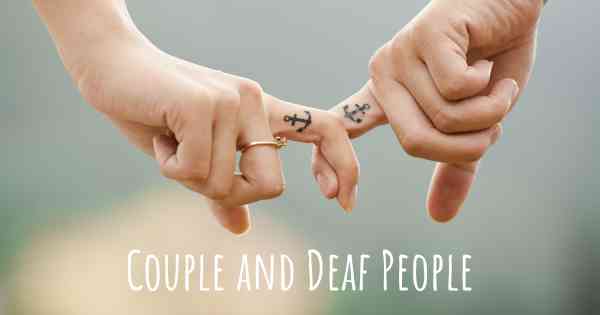
Navigating romantic relationships while being Deaf presents unique communication opportunities and challenges, but it does not inherently limit the capacity for deep, fulfilling intimacy. Successful partnerships for Deaf people often rely on establishing clear visual communication preferences, fostering mutual understanding of cultural identities, and utilizing assistive technologies to bridge any gaps in daily interaction. How does being Deaf influence romantic relationships and intimacy? For Deaf people, relationships are shaped by the primary mode of communication—whether that is sign language (such as ASL or BSL), lip-reading, written text, or speech.
Navigating romantic relationships while being Deaf presents unique communication opportunities and challenges, but it does not inherently limit the capacity for deep, fulfilling intimacy. Successful partnerships for Deaf people often rely on establishing clear visual communication preferences, fostering mutual understanding of cultural identities, and utilizing assistive technologies to bridge any gaps in daily interaction.
For Deaf people, relationships are shaped by the primary mode of communication—whether that is sign language (such as ASL or BSL), lip-reading, written text, or speech. Intimacy is often heightened by a focus on visual and tactile cues, which can lead to a profound level of non-verbal connection. Challenges may arise if a partner is hearing and lacks fluency in the preferred sign language, potentially leading to misunderstandings. However, many Deaf people find that these communication requirements encourage a more intentional and attentive approach to bonding, as partners must be fully present and face-to-face to communicate effectively.
Open dialogue is the foundation of any healthy relationship, and for Deaf people, this begins with setting clear expectations regarding accessibility. It is helpful to discuss preferences early, such as ensuring lighting is adequate for signing or agreeing on methods for emergency alerts during sleep. Consider these strategies for maintaining a strong connection:
Sexual health for Deaf people is fundamentally about physical connection, touch, and eye contact. Intimacy often relies more heavily on tactile feedback and visual signs of affection than on auditory cues. Some Deaf individuals report that the heightened focus on physical presence and body language leads to a more grounded sexual experience. It is important to communicate directly about sexual preferences, just as one would in any relationship, ensuring that both partners feel comfortable and understood within the intimate space.
When considering family planning, Deaf people may have questions regarding the hereditary nature of their condition. Many forms of deafness are genetic; therefore, consulting with a clinical geneticist can provide clarity on the probability of passing the trait to children. Understanding the genetic landscape allows couples to make informed decisions that align with their personal values and perspectives on Deaf culture and identity.
Relationship counseling can be a valuable resource if communication barriers begin to cause persistent frustration or feelings of isolation. It is essential to seek a therapist who is culturally competent regarding the Deaf experience or who is willing to work with a qualified sign language interpreter. Counseling can provide a neutral space to address the emotional labor often involved in bridging the hearing-Deaf divide, helping partners develop tools to navigate societal biases and internal relationship dynamics.
Medical disclaimer: This information is for educational purposes only and should not replace professional medical or psychological advice; always consult with a qualified healthcare provider regarding your specific health needs.