Short answer · Medically reviewed summary · Last updated: 2026-04-07
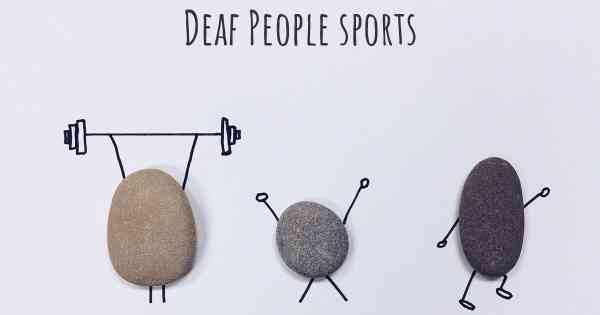
Regular physical exercise is highly recommended for Deaf people, as it offers significant benefits for cardiovascular health, mental well-being, and overall physical strength. There are no medical contraindications to exercise specifically for being Deaf, provided that individuals choose activities that match their balance, comfort, and communication needs. Is exercise safe and beneficial for Deaf people? For the 73 members of the DiseaseMaps community who identify as Deaf people, exercise is a vital tool for improving quality of life.
Regular physical exercise is highly recommended for Deaf people, as it offers significant benefits for cardiovascular health, mental well-being, and overall physical strength. There are no medical contraindications to exercise specifically for being Deaf, provided that individuals choose activities that match their balance, comfort, and communication needs.
For the 73 members of the DiseaseMaps community who identify as Deaf people, exercise is a vital tool for improving quality of life. Being Deaf does not limit your ability to engage in any form of physical activity; however, it is important to consider how balance and spatial awareness might be affected depending on the underlying cause of hearing loss. Exercise helps manage stress, boosts mood, and builds the physical resilience necessary to navigate a world that may not always be accessible.
Most forms of exercise are excellent for Deaf people, provided they are accessible and suit your personal preferences. The best activities are those that allow you to feel confident and secure while moving your body. Consider these options:
Starting an exercise program as a Deaf person is about creating an environment where you feel in control. If you attend a gym or a class, look for instructors who are willing to communicate via visual cues, written notes, or sign language. If you experience balance challenges related to your hearing loss, start with seated exercises or movements that allow you to keep one hand on a stable surface. Always prioritize a gradual progression; start with 10–15 minutes of light activity and increase the duration or intensity by no more than 10% each week to avoid injury.
While there are no absolute restrictions for Deaf people, you should approach activities that rely heavily on auditory awareness with extra care. For example, cycling or running in high-traffic areas requires increased visual scanning to compensate for the inability to hear approaching vehicles. In these cases, wearing high-visibility gear and choosing dedicated trails over busy roads can mitigate risks significantly. If your hearing loss is associated with inner-ear conditions that cause vertigo, avoid activities with rapid, repetitive head-spinning motions until you have cleared them with a physical therapist.
Physical therapy is an invaluable resource for Deaf people, especially if you experience secondary balance issues or muscle tension from navigating a hearing-centric environment. A skilled physical therapist can design a personalized program that emphasizes visual feedback and tactile cues. They can also help you develop specific strategies for "difficult days"—those days when you might feel fatigued, overwhelmed, or physically off-balance—by teaching you how to pace your movements and prioritize restorative recovery.
Medical disclaimer: This information is for educational purposes only and does not replace professional medical advice; please consult with your healthcare provider before starting any new exercise program.