Short answer · Medically reviewed summary · Last updated: 2026-05-08

Maintaining a healthy relationship while living with Dependent personality disorder (DPD) can be challenging, as the core symptoms of excessive need for care and fear of separation often lead to relationship instability. While forming a partnership is possible, individuals with Dependent personality disorder (DPD) often find that building secure, balanced connections requires active therapeutic work to manage patterns of submissiveness and clinginess. How does Dependent personality disorder (DPD) affect intimacy? Dependent personality disorder (DPD) often impacts romantic intimacy by creating an imbalance of power.

19

Is it easy to find a partner and/or maintain relationship when you have Dependent personality disorder (DPD)?

Relationships and Dependent personality disorder (DPD): real patients share how diagnosis affected dating and partnership.
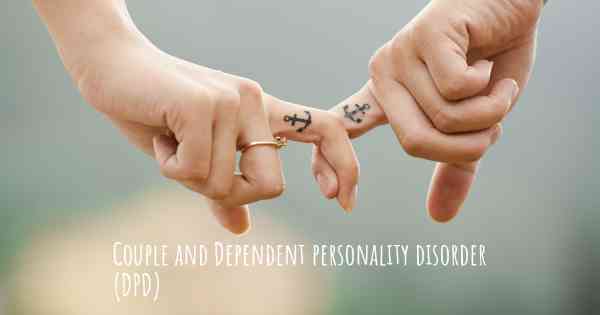
Couple and Dependent personality disorder (DPD)

Maintaining a healthy relationship while living with Dependent personality disorder (DPD) can be challenging, as the core symptoms of excessive need for care and fear of separation often lead to relationship instability. While forming a partnership is possible, individuals with Dependent personality disorder (DPD) often find that building secure, balanced connections requires active therapeutic work to manage patterns of submissiveness and clinginess.


How does Dependent personality disorder (DPD) affect intimacy?


Dependent personality disorder (DPD) often impacts romantic intimacy by creating an imbalance of power. The internal pressure to avoid abandonment can cause individuals to suppress their own needs, which may lead to emotional burnout or resentment. In sexual relationships, this dynamic can manifest as a primary focus on the partner’s pleasure to ensure their approval, sometimes at the expense of the individual’s own comfort or authentic desire.


What are effective communication strategies for DPD?


Open communication is essential for managing Dependent personality disorder (DPD) within a partnership. Strategies include:


  • Practicing "I" statements to express personal needs without fear of rejection.

  • Scheduling "check-in" times to discuss relationship dynamics in a neutral, calm environment.

  • Using a structured approach to decision-making to build individual autonomy.

  • Discussing the specific triggers of Dependent personality disorder (DPD) to help partners understand the root of certain anxieties.


How can partners provide support without burnout?


Partners of those with Dependent personality disorder (DPD) must prioritize firm, compassionate boundaries. Encouraging the person to pursue individual hobbies, friendships, and therapy sessions outside of the relationship helps reduce the "caregiver fatigue" that often occurs when one person is the sole source of emotional validation.


Is couples counseling recommended?


Couples therapy is highly recommended for anyone navigating a relationship affected by Dependent personality disorder (DPD). A therapist can provide a safe space to address the cycle of dependency and help both partners develop healthier attachment styles. It is especially important to seek professional help if the relationship feels suffocating, if there is a pattern of emotional manipulation, or if one partner feels unable to function independently.


Next steps


  • Connect with others who understand your experience at DiseaseMaps.org.

  • Consult a licensed psychologist specializing in cognitive-behavioral therapy (CBT) or dialectical behavior therapy (DBT).

  • Encourage your partner to read literature on healthy attachment to better understand your needs.

  • Prioritize your own mental health by attending individual therapy alongside couples sessions.


Medical disclaimer: This information is for educational purposes only and does not replace professional medical advice, diagnosis, or treatment.


References


  • American Psychiatric Association. (2013). Diagnostic and Statistical Manual of Mental Disorders (DSM-5).

  • NIH National Library of Medicine (MedlinePlus): Personality Disorders.

  • Cleveland Clinic: Dependent Personality Disorder Overview.

  • DiseaseMaps.org: Community insights on living with personality disorders.

Author: DiseaseMaps Editorial Team
Reviewed against authoritative medical sources (NIH GARD, Orphanet, OMIM)
Last updated: 2026-05-08
Sources cited: American Psychiatric Association. (2013). Diagnostic and Statistical Manual of Mental Disorders (DSM-5). · NIH National Library of Medicine (MedlinePlus): Personality Disorders. · Cleveland Clinic: Dependent Personality Disorder Overview. · DiseaseMaps.org: Community insights on living with personality disorders. · WHO
Medical disclaimer: This information does not substitute professional medical advice. Always consult your doctor before making health decisions.
Source: DiseaseMaps.org
1 answer

Couple and Dependent personality disorder (DPD)

Dependent personality disorder (DPD) life expectancy

What is the life expectancy of someone with Dependent personality disorder ...

1 answer
Celebrities with Dependent personality disorder (DPD)

Celebrities with Dependent personality disorder (DPD)

1 answer
Is Dependent personality disorder (DPD) hereditary?

Is Dependent personality disorder (DPD) hereditary?

1 answer
Is Dependent personality disorder (DPD) contagious?

Is Dependent personality disorder (DPD) contagious?

1 answer
ICD9 and ICD10 codes of Dependent personality disorder (DPD)

ICD10 code of Dependent personality disorder (DPD) and ICD9 code

1 answer
Natural treatment of Dependent personality disorder (DPD)

Is there any natural treatment for Dependent personality disorder (DPD)?

1 answer
Living with Dependent personality disorder (DPD)

Living with Dependent personality disorder (DPD). How to live with Dependen...

1 answer
Dependent personality disorder (DPD) diet

Dependent personality disorder (DPD) diet. Is there a diet which improves t...

1 answer

World map of Dependent personality disorder (DPD)

Find people with Dependent personality disorder (DPD) through the map. Connect with them and share experiences. Join the Dependent personality disorder (DPD) community.

Stories of Dependent personality disorder (DPD)

DEPENDENT PERSONALITY DISORDER (DPD) STORIES

Tell your story and help others

Tell my story

Dependent personality disorder (DPD) forum

DEPENDENT PERSONALITY DISORDER (DPD) FORUM

Ask a question and get answers from other users.

Ask a question

Find your symptoms soulmates

From now on you can add your symptoms in diseasemaps and find your symptoms soulmates. Symptoms soulmates are people with similar symptoms to you.

Symptoms soulmates

Add your symptoms and discover your soulmates map

Soulmates map