Short answer · Medically reviewed summary · Last updated: 2026-04-07

A diagnosis of Down syndrome (trisomy 21) is the beginning of a journey focused on early intervention, comprehensive medical monitoring, and celebrating the unique potential of your loved one. While there is no "cure" for Down syndrome, proactive management of associated health conditions and early access to developmental therapies can significantly improve quality of life and long-term outcomes. What is the most important first step after a Down syndrome diagnosis? The most important step is to breathe and recognize that you are not alone.

8

Which advice would you give to someone who has just been diagnosed with Down Syndrome?

Advice for the newly diagnosed with Down Syndrome, written by people who have lived it. What they wish they had known on day one.

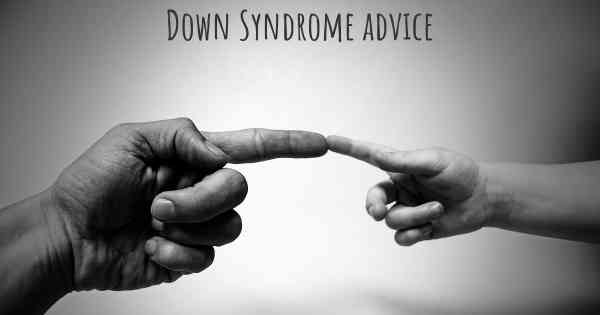
Down Syndrome advice

A diagnosis of Down syndrome (trisomy 21) is the beginning of a journey focused on early intervention, comprehensive medical monitoring, and celebrating the unique potential of your loved one. While there is no "cure" for Down syndrome, proactive management of associated health conditions and early access to developmental therapies can significantly improve quality of life and long-term outcomes.


What is the most important first step after a Down syndrome diagnosis?


The most important step is to breathe and recognize that you are not alone. Down syndrome occurs in approximately 1 in every 700 babies born in the United States, meaning there is a vast, well-established network of medical knowledge and support systems available to you. Focus first on establishing a primary care physician who is familiar with the Health Supervision for Children with Down Syndrome guidelines published by the American Academy of Pediatrics. These guidelines provide a roadmap for screening for common conditions such as congenital heart defects, thyroid dysfunction, and vision or hearing impairments.


How do I build an effective medical care team for Down syndrome?


Managing Down syndrome effectively requires a multidisciplinary approach. Because individuals with the condition may have complex health needs, your team should ideally include:


  • Pediatrician or Primary Care Physician: Your central coordinator for routine care.

  • Cardiologist: Nearly 50% of infants with Down syndrome are born with a heart defect, requiring early evaluation.

  • Early Intervention Specialists: Physical, occupational, and speech therapists are vital for developmental milestones.

  • Genetic Counselor: To help your family understand the chromosomal basis of Down syndrome and provide long-term guidance.

  • Audiologist and Ophthalmologist: Regular screenings are essential, as hearing and vision issues are significantly more common in this population.


How can I manage daily life and find community support?


Navigating the daily realities of Down syndrome is a marathon, not a sprint. Prioritize your own mental health as a caregiver; joining a community like the 24 members already sharing experiences on DiseaseMaps.org can provide a sense of belonging and practical, lived-in advice that you cannot find in textbooks. Establishing consistent routines and leveraging local disability support services can help manage energy levels for both the individual and the family. Remember that every person with Down syndrome develops at their own pace, and focusing on their specific strengths is often more productive than focusing solely on developmental gaps.


How do I stay informed about research and resources?


Staying informed about Down syndrome research is empowering but can be overwhelming. Focus on reputable, evidence-based sources rather than social media speculation. You can explore financial assistance programs through local disability agencies and social security offices (such as SSI in the US). Research participation, such as clinical trials listed on ClinicalTrials.gov, can offer access to new therapies or provide data that helps the broader Down syndrome community. Always discuss potential clinical trials with your primary specialist before enrolling.


Next steps


  • Consult a geneticist to establish a baseline health plan tailored to your family's needs.

  • Contact a local Down Syndrome Association chapter to find parent-to-parent support networks.

  • Schedule an initial evaluation with Early Intervention (EI) services to begin physical and speech therapy as soon as possible.

  • Join the DiseaseMaps.org community to connect with other families navigating life with Down syndrome.


Medical disclaimer: This content is for educational purposes only and does not constitute professional medical advice, diagnosis, or treatment; always seek the advice of your physician or other qualified health provider with any questions regarding a medical condition.


References


  • National Institutes of Health (NIH) - Genetic and Rare Diseases Information Center (GARD): Down Syndrome

  • National Down Syndrome Society (NDSS): Health Supervision Guidelines

  • Orphanet: Trisomy 21 (Down Syndrome)

  • American Academy of Pediatrics: Health Supervision for Children with Down Syndrome

Author: DiseaseMaps Editorial Team
Reviewed against authoritative medical sources (NIH GARD, Orphanet, OMIM)
Last updated: 2026-04-07
Sources cited: National Institutes of Health (NIH) - Genetic and Rare Diseases Information Center (GARD): Down Syndrome · National Down Syndrome Society (NDSS): Health Supervision Guidelines · Orphanet: Trisomy 21 (Down Syndrome) · American Academy of Pediatrics: Health Supervision for Children with Down Syndrome · WHO
Medical disclaimer: This information does not substitute professional medical advice. Always consult your doctor before making health decisions.
Source: DiseaseMaps.org
1 answer

Down Syndrome advice

Down Syndrome life expectancy

What is the life expectancy of someone with Down Syndrome?

1 answer
Celebrities with Down Syndrome

Celebrities with Down Syndrome

1 answer
Is Down Syndrome hereditary?

Is Down Syndrome hereditary?

1 answer
Is Down Syndrome contagious?

Is Down Syndrome contagious?

1 answer
ICD9 and ICD10 codes of Down Syndrome

ICD10 code of Down Syndrome and ICD9 code

1 answer
Natural treatment of Down Syndrome

Is there any natural treatment for Down Syndrome?

1 answer
Living with Down Syndrome

Living with Down Syndrome. How to live with Down Syndrome?

1 answer
Down Syndrome diet

Down Syndrome diet. Is there a diet which improves the quality of life of p...

1 answer

World map of Down Syndrome

Find people with Down Syndrome through the map. Connect with them and share experiences. Join the Down Syndrome community.

Stories of Down Syndrome

DOWN SYNDROME STORIES

Tell your story and help others

Tell my story

Down Syndrome forum

DOWN SYNDROME FORUM

Ask a question and get answers from other users.

Ask a question

Find your symptoms soulmates

From now on you can add your symptoms in diseasemaps and find your symptoms soulmates. Symptoms soulmates are people with similar symptoms to you.

Symptoms soulmates

Add your symptoms and discover your soulmates map

Soulmates map