Short answer · Medically reviewed summary · Last updated: 2026-04-07

Individuals with Down Syndrome have the same fundamental human need for companionship, intimacy, and romantic connection as the general population, though they may navigate unique social, cognitive, and systemic barriers. While maintaining a healthy relationship is entirely achievable, success often depends on strong communication, supportive social circles, and access to appropriate sex education and life-skills training. How does Down Syndrome impact romantic relationships and intimacy? For many people with Down Syndrome, the capacity for love and emotional attachment is profound.

19

Is it easy to find a partner and/or maintain relationship when you have Down Syndrome?

Relationships and Down Syndrome: real patients share how diagnosis affected dating and partnership.

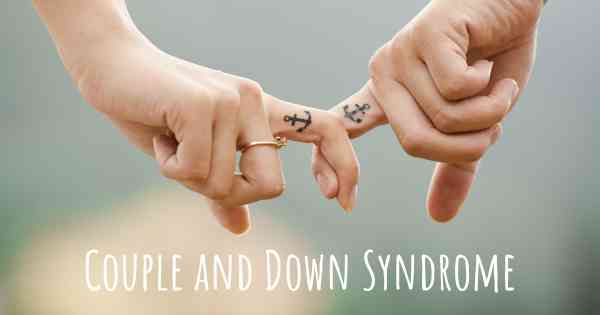
Couple and Down Syndrome

Individuals with Down Syndrome have the same fundamental human need for companionship, intimacy, and romantic connection as the general population, though they may navigate unique social, cognitive, and systemic barriers. While maintaining a healthy relationship is entirely achievable, success often depends on strong communication, supportive social circles, and access to appropriate sex education and life-skills training.


How does Down Syndrome impact romantic relationships and intimacy?


For many people with Down Syndrome, the capacity for love and emotional attachment is profound. However, societal misconceptions and over-protective caregiving environments can sometimes limit opportunities for individuals with Down Syndrome to meet potential partners. Challenges may include difficulties in navigating complex social cues, managing independent living requirements, or overcoming the paternalistic attitudes of others who may doubt the capacity of an individual with Down Syndrome to consent to or sustain a romantic relationship. Intimacy, in all its forms, is a natural part of life for adults with Down Syndrome, and they deserve the same respect for their autonomy and privacy as anyone else.


What are important considerations for sexual health and personal boundaries?


Comprehensive, age-appropriate sex education is vital for adults with Down Syndrome. Understanding personal boundaries, consent, and reproductive health is essential for safety and self-advocacy. When discussing intimacy, it is important to provide clear, concrete information tailored to the individual’s cognitive style. Key focus areas include:


  • Understanding Consent: Learning the importance of "yes" and "no" in all physical interactions.

  • Health Literacy: Accessing medical care that addresses sexual health, contraception, and the prevention of sexually transmitted infections.

  • Emotional Regulation: Developing the skills to communicate feelings and manage the ups and downs inherent in any relationship.

  • Privacy: Ensuring individuals have the autonomy to express affection in appropriate settings.


Is Down Syndrome hereditary and what does this mean for family planning?


Most cases of Down Syndrome (approximately 95% of cases, typically Trisomy 21) are not inherited; they occur due to a random error in cell division. In rare instances, a form called translocation Down Syndrome can be inherited from a parent who carries a balanced translocation. If you or your partner have Down Syndrome and are considering starting a family, it is essential to consult with a genetic counselor. They can provide specific information regarding the likelihood of passing the condition to offspring, which is statistically significantly higher for women with Down Syndrome than men, who are generally considered to have reduced fertility.


How can couples maintain a healthy relationship and seek support?


Maintaining a healthy relationship while navigating the nuances of Down Syndrome often requires a supportive network. Couples counseling can be highly effective, provided the therapist has experience in neurodiversity or disability-affirming care. Counselors can help bridge communication gaps, assist in conflict resolution, and provide a neutral space to discuss the unique pressures that may arise. Caregivers and partners should also prioritize their own mental health to prevent burnout, ensuring that they are supporting the relationship without becoming overwhelmed by the logistics of daily life.


Next steps


  • Consult a Genetic Counselor: If you are considering family planning, a geneticist can offer personalized insights into the inheritance patterns associated with Down Syndrome.

  • Seek Specialized Counseling: Look for therapists who specialize in disability-inclusive relationship counseling to help navigate emotional and social milestones.

  • Join the Community: Connect with the 24 members of the DiseaseMaps.org community who are sharing their lived experiences with Down Syndrome.

  • Access Educational Resources: Utilize materials from organizations like the National Down Syndrome Society (NDSS) to better understand rights regarding independent living and relationships.


Medical disclaimer: This content is for informational purposes only and does not constitute professional medical advice, diagnosis, or treatment; always seek the advice of your physician or qualified health provider with any questions regarding a medical condition.


References


  • National Institutes of Health (NIH) Genetic and Rare Diseases (GARD) Information Center - Down Syndrome

  • National Down Syndrome Society (NDSS) - Sexuality and Down Syndrome resources

  • Orphanet - Down Syndrome (Trisomy 21) reference portal

  • Down Syndrome International (DSI) - Guidelines on human rights and autonomy

Author: DiseaseMaps Editorial Team
Reviewed against authoritative medical sources (NIH GARD, Orphanet, OMIM)
Last updated: 2026-04-07
Sources cited: National Institutes of Health (NIH) Genetic and Rare Diseases (GARD) Information Center - Down Syndrome · National Down Syndrome Society (NDSS) - Sexuality and Down Syndrome resources · Orphanet - Down Syndrome (Trisomy 21) reference portal · Down Syndrome International (DSI) - Guidelines on human rights and autonomy · WHO
Medical disclaimer: This information does not substitute professional medical advice. Always consult your doctor before making health decisions.
Source: DiseaseMaps.org
1 answer

Couple and Down Syndrome

Down Syndrome life expectancy

What is the life expectancy of someone with Down Syndrome?

1 answer
Celebrities with Down Syndrome

Celebrities with Down Syndrome

1 answer
Is Down Syndrome hereditary?

Is Down Syndrome hereditary?

1 answer
Is Down Syndrome contagious?

Is Down Syndrome contagious?

1 answer
ICD9 and ICD10 codes of Down Syndrome

ICD10 code of Down Syndrome and ICD9 code

1 answer
Natural treatment of Down Syndrome

Is there any natural treatment for Down Syndrome?

1 answer
Living with Down Syndrome

Living with Down Syndrome. How to live with Down Syndrome?

1 answer
Down Syndrome diet

Down Syndrome diet. Is there a diet which improves the quality of life of p...

1 answer

World map of Down Syndrome

Find people with Down Syndrome through the map. Connect with them and share experiences. Join the Down Syndrome community.

Stories of Down Syndrome

DOWN SYNDROME STORIES

Tell your story and help others

Tell my story

Down Syndrome forum

DOWN SYNDROME FORUM

Ask a question and get answers from other users.

Ask a question

Find your symptoms soulmates

From now on you can add your symptoms in diseasemaps and find your symptoms soulmates. Symptoms soulmates are people with similar symptoms to you.

Symptoms soulmates

Add your symptoms and discover your soulmates map

Soulmates map