Short answer · Medically reviewed summary · Last updated: 2026-04-07
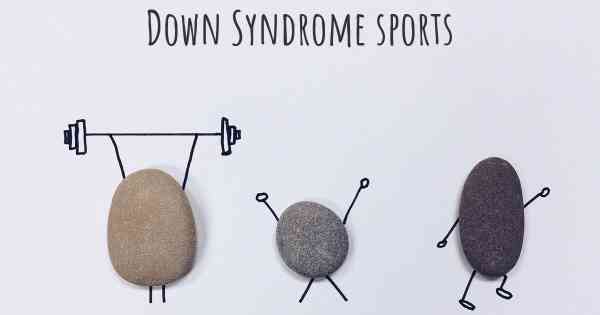
Yes, regular physical activity is highly recommended for individuals with Down Syndrome, as it offers significant benefits for cardiovascular health, muscle tone, and emotional well-being. With appropriate medical clearance, exercise programs tailored to the individual's physical abilities can safely improve quality of life and functional independence. Why is exercise beneficial for individuals with Down Syndrome? Exercise is essential for managing the unique physiological profile associated with Down Syndrome.
Yes, regular physical activity is highly recommended for individuals with Down Syndrome, as it offers significant benefits for cardiovascular health, muscle tone, and emotional well-being. With appropriate medical clearance, exercise programs tailored to the individual's physical abilities can safely improve quality of life and functional independence.
Exercise is essential for managing the unique physiological profile associated with Down Syndrome. Many individuals with Down Syndrome experience hypotonia (low muscle tone) and a slower metabolism, which can lead to weight management challenges. Engaging in consistent physical activity helps increase muscle strength, improves core stability, and enhances cardiovascular endurance. Furthermore, our community at DiseaseMaps.org has seen that members who engage in regular movement report improved mood, better sleep hygiene, and increased social engagement, which are vital for overall long-term health in those living with Down Syndrome.
The best exercise programs for Down Syndrome focus on activities that are enjoyable and sustainable. Low-impact, repetitive motions are often the most successful. Recommended activities include:
While most exercise is beneficial, individuals with Down Syndrome must exercise caution regarding the cervical spine. Approximately 10–20% of individuals with Down Syndrome have atlantoaxial instability (AAI), a misalignment of the top two vertebrae in the neck. Before beginning any high-impact sports, it is critical to consult a physician to screen for AAI. Activities such as contact sports (football, rugby), trampolining, or deep-diving should be approached with extreme caution or avoided until a clinician confirms the stability of the cervical spine.
Starting an exercise program for Down Syndrome should always be a gradual process. Begin with a thorough evaluation by a physical therapist to identify specific areas of weakness or balance concerns. A safe progression involves:
Physical therapy is a cornerstone of care for Down Syndrome. A physical therapist can create a personalized "movement prescription" that addresses specific biomechanical needs, such as foot pronation or core weakness. By integrating physical therapy into a daily routine, individuals with Down Syndrome can build the motor skills necessary to participate in recreational sports and activities of daily living with greater confidence.
Medical disclaimer: This information is for educational purposes and should not replace professional medical advice; always consult with a qualified healthcare provider regarding your specific health needs.