Short answer · Medically reviewed summary · Last updated: 2026-04-07

Physical exercise is highly recommended for individuals with dyslexia as it supports neurological development, reduces stress, and improves focus. Engaging in regular physical activity is not contraindicated for dyslexia; rather, it serves as a valuable tool to help manage the emotional fatigue and cognitive load often associated with the learning process. Is exercise beneficial for people with dyslexia? Yes, research increasingly suggests that exercise—particularly activities involving rhythmic movement and coordination—can positively influence the brain’s plasticity.

6

Is it advisable to do exercise when affected by Dyslexia? Which activities would you suggest and how intense should they be?

Exercise with Dyslexia: which activities patients recommend or avoid, and what the evidence says.
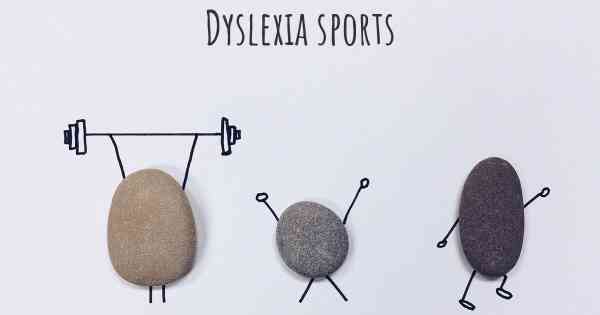
Dyslexia sports

Physical exercise is highly recommended for individuals with dyslexia as it supports neurological development, reduces stress, and improves focus. Engaging in regular physical activity is not contraindicated for dyslexia; rather, it serves as a valuable tool to help manage the emotional fatigue and cognitive load often associated with the learning process.


Is exercise beneficial for people with dyslexia?


Yes, research increasingly suggests that exercise—particularly activities involving rhythmic movement and coordination—can positively influence the brain’s plasticity. For the 112 members of the DiseaseMaps community who live with dyslexia, integrating movement into daily life can act as a natural stress reliever. Because dyslexia often requires significant cognitive effort to process information, exercise acts as a "brain break" that helps reset the nervous system, potentially improving attention spans and reducing the anxiety that frequently accompanies academic or professional tasks.


What types of exercise are recommended for those with dyslexia?


Activities that combine physical coordination with mindfulness are often the most beneficial. When managing dyslexia, you should focus on exercises that improve bilateral coordination (using both sides of the body together). Recommended activities include:


  • Swimming: Provides a rhythmic, full-body workout that encourages focus and sensory regulation.

  • Yoga and Tai Chi: These practices emphasize the connection between breath and movement, which is excellent for managing the frustration or stress that can arise when dealing with dyslexia.

  • Martial Arts: Specifically those that require learning sequences or "katas," as these help strengthen memory, spatial awareness, and motor planning.

  • Walking or Cycling: Simple, repetitive aerobic movements that allow the mind to decompress without the pressure of complex rules or high-stakes competition.


How can I safely start an exercise program?


If you have not been active recently, it is important to start slowly to build confidence and avoid burnout. Begin with 15–20 minutes of light activity, such as a brisk walk, three times a week. The goal is consistency rather than intensity. If you find that specific environments (like loud gyms) exacerbate the sensory processing challenges sometimes associated with dyslexia, try exercising in quiet, natural settings. Always listen to your body; if you are having a particularly difficult day, opt for "low-impact" movement like gentle stretching or a slow-paced walk to maintain your routine without adding physical stress.


What is the role of physical therapy and coordination training?


While dyslexia is a neurodevelopmental condition, some individuals experience challenges with motor skills or balance. A physical therapist can conduct a functional movement screen to identify any areas where coordination or core strength could be improved. Targeted rehabilitation exercises can help improve vestibular function, which is sometimes linked to reading and visual processing difficulties. By strengthening these foundational physical skills, many people with dyslexia report feeling more grounded and capable in their daily activities.


Next steps


  • Consult with a physical therapist to design a movement plan that targets your specific coordination or balance goals.

  • Join our DiseaseMaps community to connect with others who have shared their experiences with dyslexia and physical activity.

  • Start a movement journal to track how different types of exercise affect your mood and cognitive clarity throughout the week.

  • Prioritize activities you genuinely enjoy; exercise should be a source of empowerment, not another task on your to-do list.


Medical disclaimer: This content is for informational purposes only and does not constitute professional medical advice, diagnosis, or treatment; always seek the advice of your physician or other qualified health provider with any questions regarding a medical condition.


References


  • International Dyslexia Association (IDA): Understanding the link between motor skills and learning.

  • NIH National Institute of Neurological Disorders and Stroke (NINDS): Information on neuroplasticity and learning differences.

  • Journal of Physical Activity and Health: Studies on the impact of aerobic exercise on cognitive function.

  • Orphanet: Rare and complex neurodevelopmental disorder resources.

Author: DiseaseMaps Editorial Team
Reviewed against authoritative medical sources (NIH GARD, Orphanet, OMIM)
Last updated: 2026-04-07
Sources cited: International Dyslexia Association (IDA): Understanding the link between motor skills and learning. · NIH National Institute of Neurological Disorders and Stroke (NINDS): Information on neuroplasticity and learning differences. · Journal of Physical Activity and Health: Studies on the impact of aerobic exercise on cognitive function. · Orphanet: Rare and complex neurodevelopmental disorder resources. · GARD · WHO
Medical disclaimer: This information does not substitute professional medical advice. Always consult your doctor before making health decisions.
Source: DiseaseMaps.org
1 answer

Dyslexia sports

Dyslexia life expectancy

What is the life expectancy of someone with Dyslexia?

6 answers
Celebrities with Dyslexia

Celebrities with Dyslexia

1 answer
Is Dyslexia hereditary?

Is Dyslexia hereditary?

2 answers
Is Dyslexia contagious?

Is Dyslexia contagious?

1 answer
ICD9 and ICD10 codes of Dyslexia

ICD10 code of Dyslexia and ICD9 code

1 answer
Natural treatment of Dyslexia

Is there any natural treatment for Dyslexia?

1 answer
Living with Dyslexia

Living with Dyslexia. How to live with Dyslexia?

1 answer
Dyslexia diet

Dyslexia diet. Is there a diet which improves the quality of life of people...

1 answer

World map of Dyslexia

Find people with Dyslexia through the map. Connect with them and share experiences. Join the Dyslexia community.

Stories of Dyslexia

DYSLEXIA STORIES

Tell your story and help others

Tell my story

Dyslexia forum

DYSLEXIA FORUM

Ask a question and get answers from other users.

Ask a question

Find your symptoms soulmates

From now on you can add your symptoms in diseasemaps and find your symptoms soulmates. Symptoms soulmates are people with similar symptoms to you.

Symptoms soulmates

Add your symptoms and discover your soulmates map

Soulmates map