6
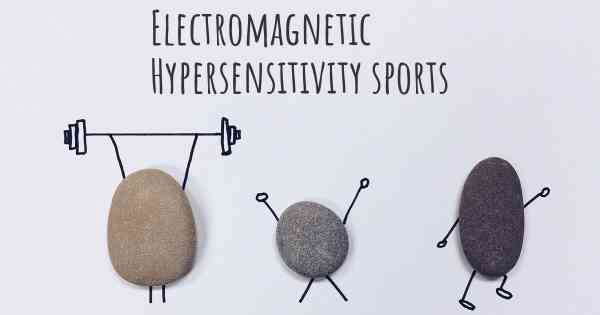
Is it advisable to do exercise when affected by Electromagnetic Hypersensitivity? Which activities would you suggest and how intense should they be?
Exercise with Electromagnetic Hypersensitivity: which activities patients recommend or avoid, and what the evidence says.
When suffering from EH, it is best to spend time away from radiation first to increase the cognitive function and speed. Once this is obtained then any sport is good as long as there is no exposure. If this is not possible and vertigo and cognitive impairment is too much, then a very hot bath for two hours, then once out wrap up warm, drink a very hot pint of water. Wait 5 minutes then start excising, might be hard with the clothes but stay with it.
Posted Oct 31, 2017 by Jag 200
Any exercise can help in feeling better as long as there is no exposure to EMF while doing it.
Posted Jul 19, 2018 by Amir 4220
Listen to your body. If you feel fatigue dont over do it. Get into 0 rads spaces as much as possible and try to live there. Recovery is slow. ES can or has been described as a rapid cycling bi-polar mood disorder. It can take about 3 days to respond to its effects and their disappearing .
Posted Jun 10, 2021 by Plop 2000
Every person needs to do what feels right for them and their body. If you don't have enough cellular energy to do your daily tasks then perhaps using what you have to do intense exercise wouldn't seem advisable.
I believe I've derived great benefit from Yin Yoga, which is a very gentle stretching routine that also provides mindfulness and stress reduction and improves sleep. This means restorative sleep is more easily achieved.
I've also seen great improvements from meditation.
Sitting in nature, wearing all natural, unblended fibers is also very healing.
Walking in nature with grounded footwear is a good way to increase strength as you're getting more energy available.
I believe I've derived great benefit from Yin Yoga, which is a very gentle stretching routine that also provides mindfulness and stress reduction and improves sleep. This means restorative sleep is more easily achieved.
I've also seen great improvements from meditation.
Sitting in nature, wearing all natural, unblended fibers is also very healing.
Walking in nature with grounded footwear is a good way to increase strength as you're getting more energy available.
Posted Nov 6, 2023 by Kathy 2500