Short answer · Medically reviewed summary · Last updated: 2026-04-07

There is currently no scientifically proven "natural cure" for epilepsy, and natural or complementary approaches should never replace prescribed anti-seizure medications. While certain lifestyle modifications and dietary therapies like the ketogenic diet are evidence-based, most herbal supplements lack rigorous clinical validation and may pose significant risks by interacting with conventional epilepsy treatments. What evidence supports dietary and lifestyle interventions for epilepsy? The most well-established non-pharmacological treatment for epilepsy is medical nutrition therapy.

3 people with Epilepsy have shared their first-person experience on this question at DiseaseMaps.

12

Is there any natural treatment for Epilepsy?

Natural treatments for Epilepsy: what patients have tried and reported, with an evidence-based, medically reviewed summary.
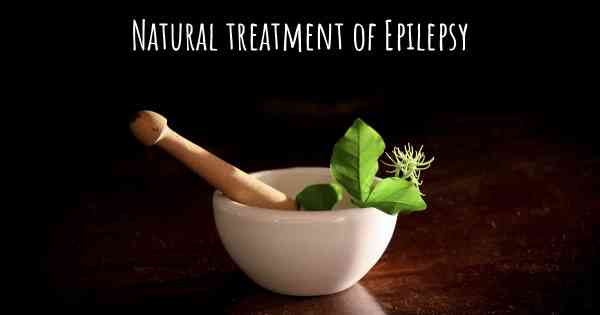
Natural treatment of Epilepsy

There is currently no scientifically proven "natural cure" for epilepsy, and natural or complementary approaches should never replace prescribed anti-seizure medications. While certain lifestyle modifications and dietary therapies like the ketogenic diet are evidence-based, most herbal supplements lack rigorous clinical validation and may pose significant risks by interacting with conventional epilepsy treatments.


What evidence supports dietary and lifestyle interventions for epilepsy?


The most well-established non-pharmacological treatment for epilepsy is medical nutrition therapy. The ketogenic diet—a high-fat, low-carbohydrate regimen—is an evidence-based intervention often used for drug-resistant epilepsy, particularly in children. It must be supervised by a neurologist and a specialized dietitian to ensure nutritional adequacy. Beyond diet, lifestyle modifications are crucial; sleep deprivation and high levels of physiological stress are well-documented triggers for seizures in many patients living with epilepsy. Maintaining a consistent sleep schedule and identifying personal seizure triggers remain the most effective "natural" ways to manage the condition alongside medication.


Are herbal supplements safe for people with epilepsy?


Many patients with epilepsy explore herbal remedies, but caution is essential. There is a critical lack of large-scale, randomized controlled trials for most herbal supplements in the context of seizure control. In fact, some common supplements can be dangerous for those with epilepsy:


  • Ginkgo biloba: Known to potentially lower the seizure threshold, making seizures more likely.

  • St. John’s Wort: A common supplement for mood that significantly interacts with many anti-seizure medications, potentially reducing their effectiveness by accelerating their metabolism in the liver.

  • Evening Primrose Oil: Has been associated with reports of increased seizure frequency in some case studies.


Always consult your neurologist before adding any supplement, as they can cause life-threatening interactions with your current epilepsy medication regimen.


Can mind-body practices help manage epilepsy?


Mind-body practices such as yoga, meditation, and mindfulness-based stress reduction (MBSR) are increasingly viewed as helpful adjunctive therapies for epilepsy. While these practices do not stop the underlying electrical dysregulation in the brain, they are effective at managing the psychological burden of living with a chronic condition. Stress is a frequent trigger for seizures; therefore, learning to regulate the nervous system through deep breathing or gentle yoga can indirectly reduce the frequency of stress-induced seizures. Research indicates that these practices can improve the quality of life and reduce symptoms of anxiety and depression, which are highly prevalent in the epilepsy community.


How do I safely integrate complementary approaches?


Integration should be a collaborative process. Our DiseaseMaps.org community, which includes 265 members sharing their experiences with epilepsy, emphasizes the importance of open communication with healthcare providers. When considering any new approach, follow these steps:


  1. Document your seizure frequency in a diary to track if any lifestyle change truly impacts your health.

  2. Bring a list of all supplements and herbal teas to your next neurology appointment.

  3. Prioritize sleep hygiene, as 7–9 hours of consistent sleep is more clinically effective than any herbal remedy.

  4. Seek out an integrative neurologist who understands both conventional pharmacology and evidence-based lifestyle medicine.


Next steps


  • Schedule an appointment with your neurologist to discuss any planned changes to your routine.

  • Consult a registered dietitian if you are interested in exploring the ketogenic diet for epilepsy management.

  • Join our community at DiseaseMaps.org to connect with others who are managing the daily realities of this condition.

  • Prioritize stress management techniques like mindfulness, provided they do not involve hyperventilation or extreme physical exhaustion.


Medical Disclaimer: This content is for informational purposes only and does not constitute medical advice, diagnosis, or treatment; always seek the advice of your physician or other qualified health provider with any questions regarding a medical condition.


References


  • Epilepsy Foundation: Complementary and Alternative Treatments (epilepsy.com)

  • NIH National Institute of Neurological Disorders and Stroke (NINDS)

  • Orphanet: Rare Disease Information portal

  • The Charlie Foundation for Ketogenic Therapies

Author: DiseaseMaps Editorial Team
Reviewed against authoritative medical sources (NIH GARD, Orphanet, OMIM)
Last updated: 2026-04-07
Sources cited: Epilepsy Foundation: Complementary and Alternative Treatments (epilepsy.com) · NIH National Institute of Neurological Disorders and Stroke (NINDS) · Orphanet: Rare Disease Information portal · The Charlie Foundation for Ketogenic Therapies · GARD · WHO
Medical disclaimer: This information does not substitute professional medical advice. Always consult your doctor before making health decisions.
Source: DiseaseMaps.org
4 answers
Cannabis!!!!!!!!!!!!!!!

Posted Jun 13, 2017 by Austin 4830
Your medical doctor will give a treatment plan which is important to follow. From there it is helpful to get plenty of rest, avoid alcohol, eat regularly and ensure you do not take any natural suppliments that may impact your medications.

Posted Dec 6, 2017 by Rebecka 1150
Diets, cannabis, and essential oils are all known to help without using medications.

Posted Dec 17, 2017 by Ahmed 1300
Natural treatment of Epilepsy

Epilepsy life expectancy

What is the life expectancy of someone with Epilepsy?

5 answers
Celebrities with Epilepsy

Celebrities with Epilepsy

1 answer
Is Epilepsy hereditary?

Is Epilepsy hereditary?

4 answers
Is Epilepsy contagious?

Is Epilepsy contagious?

4 answers
ICD9 and ICD10 codes of Epilepsy

ICD10 code of Epilepsy and ICD9 code

4 answers
Living with Epilepsy

Living with Epilepsy. How to live with Epilepsy?

3 answers
Epilepsy diet

Epilepsy diet. Is there a diet which improves the quality of life of people...

3 answers
History of Epilepsy

What is the history of Epilepsy?

3 answers

World map of Epilepsy

Find people with Epilepsy through the map. Connect with them and share experiences. Join the Epilepsy community.

Stories of Epilepsy

EPILEPSY STORIES
Epilepsy stories
Hi I'm a community nurse and also gained a Diploma in Epilepsy
Epilepsy stories
I have had Epilepsy since I was 3 or 4 years old when I found out I had it I grew up with it and had friends look out for me during my school years. I have been working in North Carolina since 1986  I am on my 2nd marriage and I have two girl's from...
Epilepsy stories
At age 7months, my daughter Mckenzie started having seizures. At this time, age 18 months, neither epitologists nor neurologists have a diagnosis for sure. We've worked our way up the Keppra dosage and have been able to control the seizures for about...
Epilepsy stories
 Phoenix was Diagnosed with  epilepsy may 2014 at the age of 3yrs 7months   he is on 4 different meds that he takes twice a day  he gets 4 different seizures . Absence, tonic Conic, Myoclonic , __Atonic 
Epilepsy stories
My first seizure happened a month shy of my 18th birthday. We all have been through all the test. So I won't bore yeah about them. If you want to talk about what it's like being epileptic chat to me. 

Tell your story and help others

Tell my story

Epilepsy forum

EPILEPSY FORUM

Ask a question and get answers from other users.

Ask a question

Find your symptoms soulmates

From now on you can add your symptoms in diseasemaps and find your symptoms soulmates. Symptoms soulmates are people with similar symptoms to you.

Symptoms soulmates

Add your symptoms and discover your soulmates map

Soulmates map