Short answer · Medically reviewed summary · Last updated: 2026-05-08
Currently, there is no specific, evidence-based "diet" proven to reverse or halt the progression of Frontotemporal Degeneration. Dietary management focuses on maintaining overall health, addressing behavioral changes such as hyperorality (compulsive eating), and ensuring adequate nutrition to support daily functioning. Are there specific dietary modifications for Frontotemporal Degeneration? While no curative diet exists for Frontotemporal Degeneration, clinical management often involves addressing the behavioral variants of the disease.
Currently, there is no specific, evidence-based "diet" proven to reverse or halt the progression of Frontotemporal Degeneration. Dietary management focuses on maintaining overall health, addressing behavioral changes such as hyperorality (compulsive eating), and ensuring adequate nutrition to support daily functioning.
While no curative diet exists for Frontotemporal Degeneration, clinical management often involves addressing the behavioral variants of the disease. Patients may experience "sweet tooth" cravings, binge eating, or pica (eating non-food items). Dietary modifications are generally directed at weight management and safety, as Frontotemporal Degeneration can impair the ability to recognize satiety or swallow safely.
Managing the nutritional environment is vital for individuals with Frontotemporal Degeneration. Strategies to improve quality of life include:
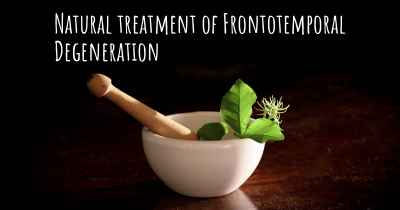
There is currently low-to-moderate evidence for specific diets like ketogenic or anti-inflammatory protocols in treating Frontotemporal Degeneration. While some studies suggest Mediterranean-style diets may support general brain health, they do not specifically treat the neurodegeneration seen in Frontotemporal Degeneration. Always consult a physician before starting supplements (such as Omega-3s or Vitamin B12), as these can interact with medications like cholinesterase inhibitors or antidepressants used to manage Frontotemporal Degeneration symptoms.
Medical disclaimer: This information is for educational purposes only and does not replace professional medical advice, diagnosis, or treatment.