Short answer · Medically reviewed summary · Last updated: 2026-04-07
Regular aerobic exercise is generally recommended for individuals with glaucoma as it can help lower intraocular pressure (IOP) and improve overall vascular health. While physical activity is beneficial, it is important to avoid specific high-intensity maneuvers, such as inverted positions or heavy breath-holding, which may temporarily increase eye pressure. Is exercise safe and beneficial for people living with glaucoma? For most individuals managing glaucoma, exercise is not only safe but highly encouraged.
1 people with Glaucoma have shared their first-person experience on this question at DiseaseMaps.
Regular aerobic exercise is generally recommended for individuals with glaucoma as it can help lower intraocular pressure (IOP) and improve overall vascular health. While physical activity is beneficial, it is important to avoid specific high-intensity maneuvers, such as inverted positions or heavy breath-holding, which may temporarily increase eye pressure.
For most individuals managing glaucoma, exercise is not only safe but highly encouraged. Clinical research suggests that consistent moderate aerobic activity can contribute to a modest, sustained reduction in intraocular pressure, which is the primary goal of glaucoma treatment. Beyond eye health, exercise plays a vital role in managing systemic conditions like hypertension and diabetes, both of which are risk factors that can exacerbate glaucoma progression. By improving blood flow to the optic nerve, physical activity serves as a supportive tool alongside standard medical therapies like eye drops or surgical interventions.
The best activities are those that maintain a steady heart rate without inducing significant physiological strain. We generally recommend low-to-moderate impact exercises that you can sustain for 20–30 minutes at a time. Consider the following activities:
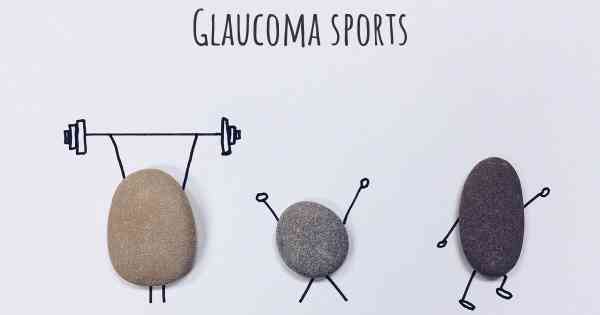
Certain movements can cause a spike in intraocular pressure and should be avoided or modified. You should be particularly cautious with activities that involve head-down positions or intense straining. Specifically, avoid yoga poses such as downward-facing dog, headstands, or shoulder stands, as these positions increase episcleral venous pressure and can spike IOP. Additionally, heavy weightlifting that requires breath-holding (the Valsalva maneuver) should be avoided, as this significantly increases pressure inside the chest and eyes. Always exhale during the exertion phase of any exercise to keep pressure stable.
Before beginning a new regimen, consult your ophthalmologist to ensure your glaucoma is stable enough for physical activity. When you start, follow these principles for success:
At DiseaseMaps.org, 75 people with glaucoma have joined our community to share their experiences; connecting with others who have navigated these lifestyle adjustments can provide valuable, real-world encouragement for your journey.
Medical disclaimer: This information is for educational purposes and does not replace professional medical advice, diagnosis, or treatment; always consult with your physician before beginning any new exercise program.