Short answer · Medically reviewed summary · Last updated: 2026-04-07
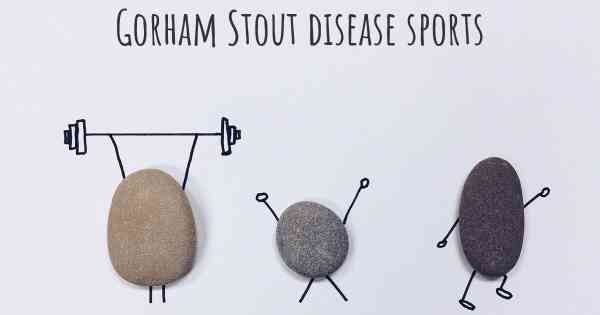
Physical activity is generally recommended for individuals with Gorham Stout disease, provided it is approached with caution, medical supervision, and a focus on low-impact movement to protect skeletal integrity. While exercise helps maintain muscle strength and mobility, the primary goal is to avoid high-impact stress on affected bones, which are prone to resorption and fragility in Gorham Stout disease. Is exercise safe for patients with Gorham Stout disease? Living with Gorham Stout disease, also known as "vanishing bone disease," requires a careful balance between staying active and protecting your skeleton.
Physical activity is generally recommended for individuals with Gorham Stout disease, provided it is approached with caution, medical supervision, and a focus on low-impact movement to protect skeletal integrity. While exercise helps maintain muscle strength and mobility, the primary goal is to avoid high-impact stress on affected bones, which are prone to resorption and fragility in Gorham Stout disease.
Living with Gorham Stout disease, also known as "vanishing bone disease," requires a careful balance between staying active and protecting your skeleton. Because this condition involves the progressive destruction and resorption of bone matrix, bones can become significantly weakened or prone to pathological fractures. However, total inactivity can lead to muscle atrophy and joint stiffness, which further destabilizes the skeleton. Exercise is beneficial for maintaining cardiovascular health, supporting mental well-being, and strengthening the muscles that surround and protect your bones, provided you have explicit clearance from your orthopedic specialist or rheumatologist.
The safest approach for managing Gorham Stout disease through movement is to prioritize low-impact, controlled activities. Exercises that minimize weight-bearing stress on vulnerable areas are ideal. Consider the following activities, but always listen to your body’s signals:
High-impact or contact activities are generally contraindicated for patients with Gorham Stout disease due to the high risk of fracture. You should avoid sports like basketball, soccer, contact martial arts, or heavy weightlifting that places direct, high-intensity axial loading on the spine or long bones. Furthermore, any activity that carries a high risk of falling should be approached with extreme caution or avoided entirely to prevent injury to compromised bone structures.
Before beginning any new regimen, you must consult your clinical team, including an orthopedic surgeon familiar with Gorham Stout disease. Start with a "pacing" strategy: begin with very short, low-intensity sessions—perhaps as little as 5 to 10 minutes—and monitor how your body responds over the next 24 hours. If you experience increased pain or localized swelling, reduce the intensity immediately. Working with a physical therapist who specializes in rare bone disorders is the gold standard for creating a personalized program that respects your specific anatomical needs.
Medical disclaimer: This information is for educational purposes only and does not constitute professional medical advice, diagnosis, or treatment; always consult your physician regarding your specific condition.