Short answer · Medically reviewed summary · Last updated: 2026-05-08
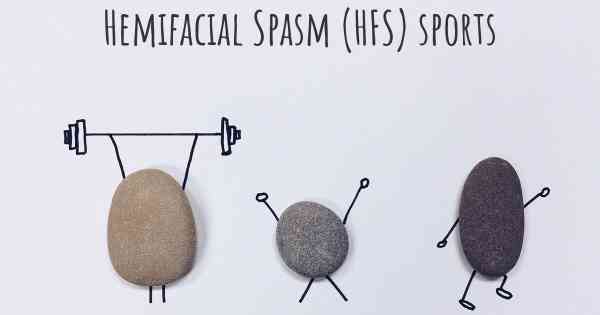
Exercise is generally safe and highly recommended for individuals with Hemifacial Spasm (HFS), as it helps reduce stress, which is a known trigger for spasms. While physical activity does not cure the underlying vascular compression causing Hemifacial Spasm, it improves overall well-being and helps patients manage the emotional toll of living with this condition. Is it safe to exercise with Hemifacial Spasm? Yes, exercise is encouraged for those with Hemifacial Spasm.
1 people with Hemifacial Spasm (HFS) have shared their first-person experience on this question at DiseaseMaps.
Exercise is generally safe and highly recommended for individuals with Hemifacial Spasm (HFS), as it helps reduce stress, which is a known trigger for spasms. While physical activity does not cure the underlying vascular compression causing Hemifacial Spasm, it improves overall well-being and helps patients manage the emotional toll of living with this condition.
Yes, exercise is encouraged for those with Hemifacial Spasm. Because stress and fatigue can exacerbate symptoms, maintaining a regular, moderate exercise routine can help regulate your nervous system. There are no specific contraindications for exercise in patients with Hemifacial Spasm, provided you avoid activities that cause extreme physical strain or direct trauma to the face.
Focusing on low-to-moderate intensity activities is often the most sustainable approach for managing Hemifacial Spasm. Beneficial activities include:
When living with Hemifacial Spasm, consistency is more important than intensity. Begin with 15–20 minutes of light activity three times per week. If you experience a "bad day" with increased symptoms, utilize pacing strategies: reduce the intensity to a gentle walk or restorative stretching rather than stopping exercise entirely. Always consult your neurologist before starting a new regimen to ensure it aligns with your specific treatment plan, such as Botox injections or microvascular decompression surgery.
Physical therapy can be instrumental for Hemifacial Spasm patients, particularly in addressing secondary muscle tension in the neck and shoulders. A therapist can teach you relaxation techniques and postural corrections that may indirectly reduce the frequency of facial twitching. Currently, 13 members of the DiseaseMaps community have shared their experiences, highlighting the importance of personalized management strategies for Hemifacial Spasm.
Medical disclaimer: This information is for educational purposes only and does not replace professional medical advice, diagnosis, or treatment.