Short answer · Medically reviewed summary · Last updated: 2026-04-06
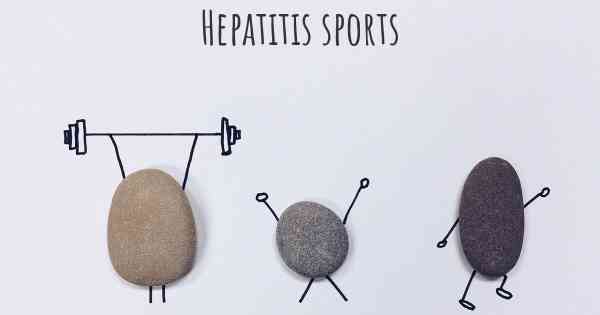
Regular, moderate-intensity physical activity is generally recommended and beneficial for individuals living with Hepatitis, provided it is cleared by your healthcare provider and tailored to your current liver function and energy levels. The Benefits of Movement Engaging in consistent physical activity can significantly improve quality of life for those with Hepatitis. Exercise helps combat the profound fatigue often associated with the condition, improves insulin sensitivity, assists in weight management—which is crucial for liver health—and provides a vital boost to mental well-being by reducing anxiety and depression.
4 people with Hepatitis have shared their first-person experience on this question at DiseaseMaps.
Regular, moderate-intensity physical activity is generally recommended and beneficial for individuals living with Hepatitis, provided it is cleared by your healthcare provider and tailored to your current liver function and energy levels.
Engaging in consistent physical activity can significantly improve quality of life for those with Hepatitis. Exercise helps combat the profound fatigue often associated with the condition, improves insulin sensitivity, assists in weight management—which is crucial for liver health—and provides a vital boost to mental well-being by reducing anxiety and depression. Movement helps maintain muscle mass, which can be affected by chronic liver inflammation.
Low-to-moderate intensity activities are usually the best starting point. Activities such as brisk walking, swimming, cycling, and restorative yoga are excellent for cardiovascular health without overtaxing the body. If you are experiencing a flare-up or severe fatigue, adopt a "pacing" strategy: prioritize short, frequent sessions (e.g., 10 minutes of walking) rather than one long, exhausting workout. Listen to your body; if you feel pain or extreme exhaustion, it is a signal to rest.
While staying active is important, individuals with Hepatitis should avoid high-impact, high-intensity interval training (HIIT), or contact sports that carry a risk of abdominal trauma, especially if you have an enlarged liver or spleen. Always consult your physician before starting any new regimen to ensure your liver enzymes and coagulation levels are stable enough for physical exertion.
Begin by discussing your exercise goals with your hepatologist. A physical therapist can also be a valuable resource in designing a personalized program that accounts for the specific limitations of Hepatitis. Start with a very low volume and increase intensity gradually over several weeks. Remember that consistency is far more important than intensity when managing a chronic liver condition.
Medical Disclaimer: This information is for educational purposes only and does not replace professional medical advice, diagnosis, or treatment. Always consult with your primary care physician or specialist before beginning any new exercise program to ensure it is appropriate for your specific health status.