Short answer · Medically reviewed summary · Last updated: 2026-05-08
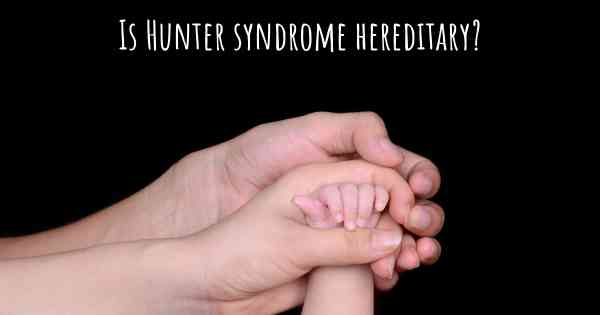
Hunter syndrome is a hereditary genetic condition caused by a mutation in the IDS gene. It follows an X-linked recessive inheritance pattern, meaning it primarily affects males and is passed from mothers to their children. Is Hunter syndrome hereditary? Yes, Hunter syndrome (Mucopolysaccharidosis type II) is a hereditary condition.
1 people with Hunter syndrome have shared their first-person experience on this question at DiseaseMaps.
Hunter syndrome is a hereditary genetic condition caused by a mutation in the IDS gene. It follows an X-linked recessive inheritance pattern, meaning it primarily affects males and is passed from mothers to their children.
Yes, Hunter syndrome (Mucopolysaccharidosis type II) is a hereditary condition. It is caused by a deficiency in the enzyme iduronate-2-sulfatase, which is necessary for breaking down complex sugars. Because the IDS gene is located on the X chromosome, the inheritance of Hunter syndrome is X-linked recessive. This means that females who carry the mutation on one of their X chromosomes are typically asymptomatic carriers, while males who inherit the mutation will manifest the disease.
If a mother is a carrier of the Hunter syndrome mutation, each son has a 50% chance of inheriting the condition, and each daughter has a 50% chance of being a carrier. Because males with Hunter syndrome have only one X chromosome, they will pass the affected gene to all of their daughters (who will become carriers) and none of their sons, as sons receive the Y chromosome from their fathers.
While most cases of Hunter syndrome are inherited from a carrier mother, de novo (spontaneous) mutations do occur. Research indicates that approximately 20% to 30% of Hunter syndrome cases result from a new genetic mutation that occurs for the first time in the individual, rather than being passed down through generations.
Genetic testing is the gold standard for confirming a diagnosis of Hunter syndrome. Clinical geneticists recommend the following steps for families:
Medical disclaimer: This information is for educational purposes only and does not replace professional medical advice, diagnosis, or treatment.