Short answer · Medically reviewed summary · Last updated: 2026-04-07
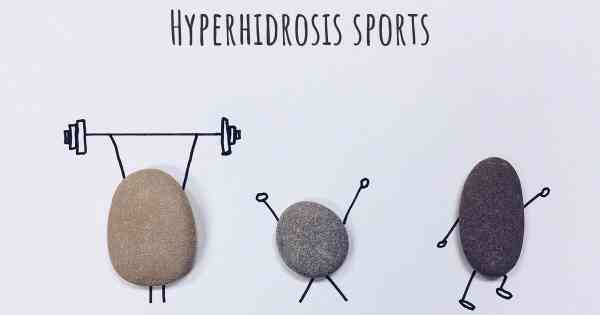
Yes, exercise is highly recommended for individuals with Hyperhidrosis, as it supports cardiovascular health and mental well-being without worsening the underlying condition. While physical activity naturally triggers sweating, incorporating specific cooling strategies and choosing appropriate environments allows patients to manage their Hyperhidrosis symptoms while reaping the physical and psychological benefits of movement. Is it safe to exercise if I have Hyperhidrosis? Many patients with Hyperhidrosis avoid exercise due to social anxiety or the fear that sweating will exacerbate their condition.
1 people with Hyperhidrosis have shared their first-person experience on this question at DiseaseMaps.
Yes, exercise is highly recommended for individuals with Hyperhidrosis, as it supports cardiovascular health and mental well-being without worsening the underlying condition. While physical activity naturally triggers sweating, incorporating specific cooling strategies and choosing appropriate environments allows patients to manage their Hyperhidrosis symptoms while reaping the physical and psychological benefits of movement.
Many patients with Hyperhidrosis avoid exercise due to social anxiety or the fear that sweating will exacerbate their condition. From a sports medicine perspective, exercise is not contraindicated; in fact, it is vital for maintaining muscle tone and managing the stress that can sometimes trigger flare-ups. While the body's thermoregulatory system in Hyperhidrosis is overactive, regular physical activity helps the body adapt to temperature changes more efficiently. The key is shifting your mindset from avoiding sweat to managing it through proper preparation and environmental control.
Choosing activities that allow for better ventilation or offer cooling mechanisms can significantly improve your comfort. Consider these options to build your routine:
Living with Hyperhidrosis means that some days will be more challenging than others due to humidity or stress levels. On these days, utilize a "pacing strategy" rather than skipping exercise entirely. Focus on lower-intensity movements that keep your heart rate steady without causing a massive spike in body heat. If you feel overwhelmed, reduce the duration of your session by 50% rather than canceling, as maintaining the habit is crucial for your long-term physical and mental health. Always keep a specialized moisture-wicking towel and an extra change of clothing nearby to maintain comfort and hygiene.
If Hyperhidrosis has caused you to become sedentary, you may experience secondary issues like muscle atrophy or joint stiffness. A physical therapist can help design a graded exercise program that slowly builds your tolerance for activity. They can also assist with desensitization techniques and breathing exercises to manage the "fight-or-flight" response that often triggers a sweating episode. With 152 members in the DiseaseMaps.org community, we have seen that those who engage in structured, guided movement often report higher levels of confidence and better symptom coping mechanisms.
Medical disclaimer: This information is for educational purposes only and does not replace professional medical advice, diagnosis, or treatment from a qualified healthcare provider.