Short answer · Medically reviewed summary · Last updated: 2026-04-07
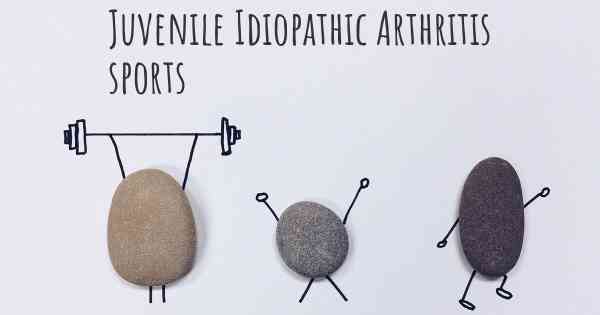
Yes, regular, low-impact exercise is highly recommended for children and adolescents with Juvenile Idiopathic Arthritis (JIA) to maintain joint mobility, build muscle strength, and improve cardiovascular health. When managed under the guidance of a physical therapist, exercise is a fundamental component of treatment that helps reduce stiffness and manage the chronic pain associated with Juvenile Idiopathic Arthritis. Why is physical activity important for managing Juvenile Idiopathic Arthritis? For individuals living with Juvenile Idiopathic Arthritis, inactivity can lead to muscle atrophy and increased joint stiffness, which may exacerbate symptoms.
Yes, regular, low-impact exercise is highly recommended for children and adolescents with Juvenile Idiopathic Arthritis (JIA) to maintain joint mobility, build muscle strength, and improve cardiovascular health. When managed under the guidance of a physical therapist, exercise is a fundamental component of treatment that helps reduce stiffness and manage the chronic pain associated with Juvenile Idiopathic Arthritis.
For individuals living with Juvenile Idiopathic Arthritis, inactivity can lead to muscle atrophy and increased joint stiffness, which may exacerbate symptoms. Engaging in consistent, appropriately scaled movement helps nourish cartilage, improve range of motion, and reduce the systemic inflammation often seen in JIA. Furthermore, physical activity is a powerful tool for mental well-being, helping the 251 members of our DiseaseMaps community and others manage the emotional toll of living with a chronic condition by boosting mood-regulating endorphins.
The goal for those with Juvenile Idiopathic Arthritis is to choose activities that provide cardiovascular and muscular benefits without placing excessive stress on inflamed joints. Low-impact activities are the gold standard for JIA management:
It is vital to adopt a "start low, go slow" approach when managing Juvenile Idiopathic Arthritis. Exercise intensity should be titrated based on daily symptom levels. On "good" days, moderate activity is encouraged, but on days when joint inflammation is high or pain is acute, it is essential to pivot to gentle range-of-motion exercises or restorative stretching rather than pushing for cardiovascular intensity. Pacing—breaking activity into short, manageable blocks throughout the day—is a key strategy to prevent overexertion and subsequent flares.
While most movement is beneficial, high-impact activities that involve repetitive jarring of the joints—such as long-distance running on concrete, competitive contact sports, or heavy weightlifting—should be approached with extreme caution. During an active flare of Juvenile Idiopathic Arthritis, high-impact activities are generally contraindicated as they can damage already sensitized joint linings. Always consult your pediatric rheumatologist or a physical therapist before initiating or returning to high-intensity sports.
Physical therapists are essential members of the care team for patients with Juvenile Idiopathic Arthritis. They provide customized exercise programs tailored to the specific joints affected, ensuring that strengthening exercises do not aggravate inflammation. Regular sessions help monitor progress, adjust programs as the disease state changes, and provide education on how to protect joints during daily activities.
Medical disclaimer: This information is for educational purposes only and should not replace professional medical advice, diagnosis, or treatment from your healthcare provider.