Short answer · Medically reviewed summary · Last updated: 2026-04-07
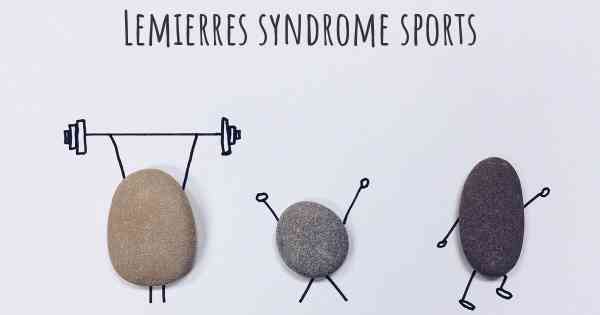
During the acute phase of Lemierre’s syndrome, physical activity is strictly contraindicated due to the severity of the infection and the risk of septic emboli. Once a physician has cleared you for recovery, a very gradual, supervised return to movement is recommended to rebuild strength, though the intensity must remain low until your body has fully recovered from the systemic impact of Lemierre’s syndrome. Is it safe to exercise while recovering from Lemierre’s syndrome? Because Lemierre’s syndrome involves a severe bacterial infection (typically Fusobacterium necrophorum) that leads to internal jugular vein thrombosis and potential septic emboli, your body requires significant rest during the active infection phase.
3 people with Lemierres syndrome have shared their first-person experience on this question at DiseaseMaps.
During the acute phase of Lemierre’s syndrome, physical activity is strictly contraindicated due to the severity of the infection and the risk of septic emboli. Once a physician has cleared you for recovery, a very gradual, supervised return to movement is recommended to rebuild strength, though the intensity must remain low until your body has fully recovered from the systemic impact of Lemierre’s syndrome.
Because Lemierre’s syndrome involves a severe bacterial infection (typically Fusobacterium necrophorum) that leads to internal jugular vein thrombosis and potential septic emboli, your body requires significant rest during the active infection phase. Exercise is dangerous during this time because systemic stress can exacerbate inflammation and strain a cardiovascular system already taxed by infection. Only after your medical team confirms that the infection is resolved and the thrombus (clot) is stable or resolving can you begin to consider light movement. Always consult your infectious disease specialist or hematologist before starting any activity, as individual recovery timelines for Lemierre’s syndrome vary greatly.
When you are cleared for physical activity, the goal is "movement as medicine" rather than athletic performance. The focus should be on low-impact, restorative activities that improve blood flow without overtaxing your heart or lungs. Safe activities often include:
Recovery from Lemierre’s syndrome is a marathon, not a sprint. You must avoid high-intensity interval training (HIIT), heavy weightlifting, or contact sports, as these can spike your blood pressure and heart rate to levels that may be dangerous while your vascular system is still healing. Furthermore, avoid any activities that involve sudden jerking motions of the neck or head, as these could aggravate the area where the internal jugular vein thrombosis occurred.
Pacing is essential for the 132 members of the DiseaseMaps community who have navigated the challenges of Lemierre’s syndrome. Use the "traffic light" system to determine your daily capacity:
If you feel worse 24 hours after an activity, you have exceeded your current limit. Scale back your next session by 50% and progress more slowly.
Medical disclaimer: This information is for educational purposes only and does not replace professional medical advice, diagnosis, or treatment; always seek the advice of your physician regarding any medical condition.