Short answer · Medically reviewed summary · Last updated: 2026-04-07
There is currently no evidence-based "cure" or specific dietary protocol that reverses the progression of Limb-girdle muscular dystrophy (LGMD). However, maintaining a balanced, anti-inflammatory diet, managing body weight to reduce stress on weakened muscles, and ensuring adequate hydration are essential components for improving the overall quality of life for individuals living with this condition. Is there a specialized diet for Limb-girdle muscular dystrophy? While there is no specific diet proven to halt the muscle wasting associated with Limb-girdle muscular dystrophy, clinical nutritionists emphasize a "heart-healthy" and anti-inflammatory approach.
There is currently no evidence-based "cure" or specific dietary protocol that reverses the progression of Limb-girdle muscular dystrophy (LGMD). However, maintaining a balanced, anti-inflammatory diet, managing body weight to reduce stress on weakened muscles, and ensuring adequate hydration are essential components for improving the overall quality of life for individuals living with this condition.
While there is no specific diet proven to halt the muscle wasting associated with Limb-girdle muscular dystrophy, clinical nutritionists emphasize a "heart-healthy" and anti-inflammatory approach. Because individuals with Limb-girdle muscular dystrophy often experience reduced mobility, weight management is critical. Excess weight places unnecessary mechanical stress on already weakened hip and shoulder girdle muscles, potentially accelerating fatigue and mobility challenges. There is currently no high-quality evidence to support restrictive protocols like the ketogenic or extreme elimination diets for LGMD management.
For those managing Limb-girdle muscular dystrophy, nutritional goals focus on muscle health, bone density, and metabolic efficiency. Because mobility may be limited, caloric intake must be carefully balanced to prevent obesity while ensuring high-quality protein consumption to support muscle maintenance. Research and clinical observation suggest the following focal points for a balanced diet:
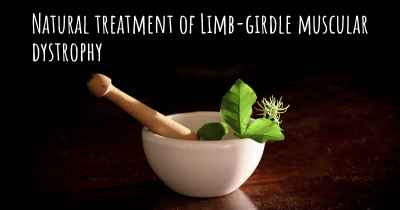
The evidence regarding supplements for Limb-girdle muscular dystrophy is largely anecdotal or based on small-scale studies. While some patients report benefits from Coenzyme Q10 (CoQ10) or Creatine monohydrate for energy metabolism, these have not been definitively proven to alter the disease course in large clinical trials. Always consult with your neurologist before starting any supplement, as some substances may interact with medications or cause adverse effects specific to your genetic subtype.
Some individuals with Limb-girdle muscular dystrophy may be prescribed corticosteroids (like prednisone) to help manage muscle strength. These medications often increase the risk of weight gain, bone density loss, and elevated blood sugar. In these instances, a low-sodium, low-glycemic, and calcium-rich diet is clinically recommended to mitigate these side effects. Always coordinate with your medical team to ensure that dietary changes do not interfere with the absorption or efficacy of prescribed treatments.
Medical disclaimer: This content is for informational purposes only and does not constitute medical advice; always consult your healthcare provider before making any changes to your diet, exercise, or medication regimen.