Short answer · Medically reviewed summary · Last updated: 2026-05-08
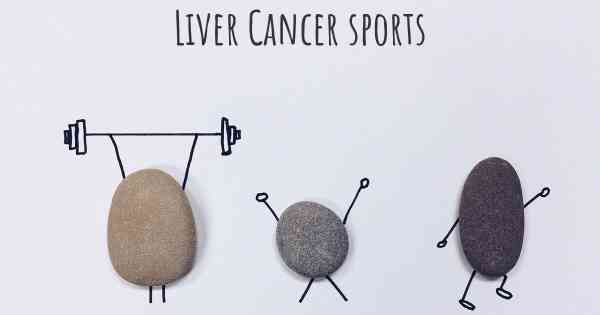
Yes, exercise is generally recommended and highly beneficial for patients with Liver Cancer, provided it is approved by your oncology team. Regular, moderate physical activity can significantly improve quality of life, reduce cancer-related fatigue, and help maintain muscle mass, even while undergoing treatment for Liver Cancer. Why is physical activity important for Liver Cancer patients? Living with Liver Cancer often leads to muscle wasting (sarcopenia) and profound fatigue.
Yes, exercise is generally recommended and highly beneficial for patients with Liver Cancer, provided it is approved by your oncology team. Regular, moderate physical activity can significantly improve quality of life, reduce cancer-related fatigue, and help maintain muscle mass, even while undergoing treatment for Liver Cancer.
Living with Liver Cancer often leads to muscle wasting (sarcopenia) and profound fatigue. Engaging in controlled physical activity helps counter these effects by improving cardiovascular endurance and metabolic health. Exercise also releases endorphins, which can alleviate the anxiety and depression often associated with a Liver Cancer diagnosis.
The goal is to maintain movement without overexertion. Always prioritize activities that align with your current energy levels:
Before beginning, you must consult your hepatologist or oncologist, especially if you have complications like ascites or low platelet counts. Start with a "low and slow" approach: aim for 10 minutes of light activity, then assess how your body responds. If you feel extreme exhaustion, use "pacing strategies," such as breaking exercise into three 5-minute sessions throughout the day rather than one long workout.
If you have advanced Liver Cancer, you should avoid high-intensity interval training (HIIT), heavy weightlifting that increases intra-abdominal pressure, or contact sports that carry a risk of abdominal trauma, particularly if your liver function is impaired or your clotting factors are low.
Medical disclaimer: This content is for informational purposes only and does not replace professional medical advice, diagnosis, or treatment; always consult your physician regarding your specific health needs.