Short answer · Medically reviewed summary · Last updated: 2026-04-07
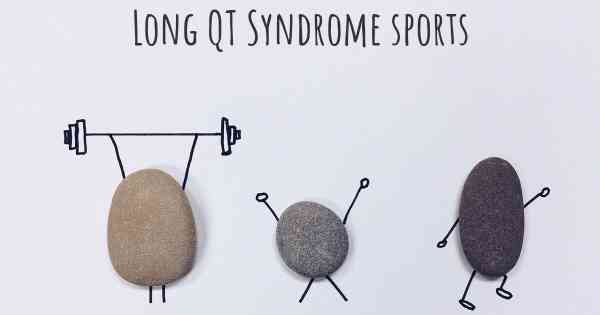
For individuals with Long QT Syndrome, exercise is generally encouraged, but it must be approached with caution and under the guidance of a cardiologist to ensure safety. While competitive, high-intensity sports may pose risks depending on the specific genetic variant, moderate, low-intensity activities are often beneficial for cardiovascular health, mental well-being, and symptom management. Is exercise safe for people living with Long QT Syndrome? Living with Long QT Syndrome often leads to fear regarding physical activity, but total avoidance of exercise can lead to deconditioning and increased anxiety.
For individuals with Long QT Syndrome, exercise is generally encouraged, but it must be approached with caution and under the guidance of a cardiologist to ensure safety. While competitive, high-intensity sports may pose risks depending on the specific genetic variant, moderate, low-intensity activities are often beneficial for cardiovascular health, mental well-being, and symptom management.
Living with Long QT Syndrome often leads to fear regarding physical activity, but total avoidance of exercise can lead to deconditioning and increased anxiety. Current clinical guidelines suggest that while certain triggers—such as extreme exertion or sudden emotional stress—must be managed, many patients with Long QT Syndrome can safely participate in physical activity. The goal is to avoid activities that trigger an adrenaline spike, which could potentially disrupt the heart's electrical rhythm. With 357 members in the DiseaseMaps community sharing their experiences, we see that many individuals successfully integrate movement into their lives by balancing caution with consistency.
When selecting an activity, the focus should be on steady-state, low-to-moderate intensity movements that do not lead to sudden, maximum-effort exertion. Recommended activities for those with Long QT Syndrome include:
Activities that involve sudden bursts of speed, high-intensity interval training (HIIT), or competitive pressure are often contraindicated for patients with Long QT Syndrome. Competitive sports that require sudden stops and starts—such as basketball, soccer, or sprinting—carry a higher risk of triggering arrhythmias. Additionally, activities in extreme temperatures should be avoided, as heat stress and dehydration can negatively impact heart rhythm stability. Always consult your electrophysiologist before starting any new, structured athletic program to ensure your specific risk profile is accounted for.
Safety is built on a foundation of medical clearance and gradual progression. If you are starting a new routine with Long QT Syndrome, consider these steps:
It is vital to listen to your body. On days when you feel fatigued, stressed, or are experiencing symptoms, it is perfectly acceptable to skip exercise or substitute it with gentle stretching or mindful breathing. Pacing is key; if a specific activity leaves you feeling lightheaded or causes heart palpitations, stop immediately and record the intensity level for your next clinical visit. Physical therapy can be a valuable resource for Long QT Syndrome patients to develop a customized, safe, and sustainable movement plan that improves physical strength without compromising cardiac safety.
Medical disclaimer: This content is for informational purposes only and does not constitute professional medical advice, diagnosis, or treatment; always seek the advice of your physician or other qualified health provider with any questions regarding a medical condition.