Short answer · Medically reviewed summary · Last updated: 2026-04-07
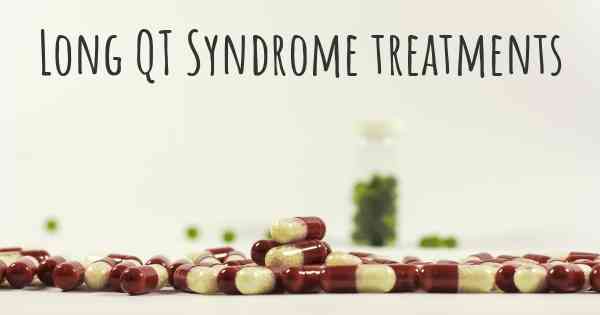
TL;DR: The primary treatment for Long QT Syndrome (LQTS) involves the use of beta-blocker medications to stabilize heart rhythm, combined with strict lifestyle modifications to avoid known triggers. In cases where medication is insufficient or the risk of sudden cardiac arrest remains high, medical teams may recommend surgical interventions like an implantable cardioverter-defibrillator (ICD) or left cardiac sympathetic denervation (LCSD). What are the first-line treatments for Long QT Syndrome? The cornerstone of managing Long QT Syndrome is the reduction of the risk of life-threatening arrhythmias, such as Torsades de Pointes.
2 people with Long QT Syndrome have shared their first-person experience on this question at DiseaseMaps.
TL;DR: The primary treatment for Long QT Syndrome (LQTS) involves the use of beta-blocker medications to stabilize heart rhythm, combined with strict lifestyle modifications to avoid known triggers. In cases where medication is insufficient or the risk of sudden cardiac arrest remains high, medical teams may recommend surgical interventions like an implantable cardioverter-defibrillator (ICD) or left cardiac sympathetic denervation (LCSD).
The cornerstone of managing Long QT Syndrome is the reduction of the risk of life-threatening arrhythmias, such as Torsades de Pointes. Most patients are prescribed beta-blockers, which work by slowing the heart rate and reducing the response to adrenaline, a known trigger for Long QT Syndrome events. Common generic medications include nadolol (Corgard) and propranolol (Inderal). It is essential to understand that treatment for Long QT Syndrome must be highly personalized; a cardiologist specializing in electrophysiology will determine the appropriate therapy based on the specific genetic subtype, the patient's QTc interval duration, and their history of syncopal (fainting) episodes.
Beyond medication, lifestyle management is critical for those living with Long QT Syndrome. Patients are often advised to avoid specific medications that are known to prolong the QT interval (a list can be found at CredibleMeds.org) and to manage electrolyte imbalances, such as low potassium or magnesium. When medical management is not enough, or in high-risk scenarios, the following interventions may be considered:
Treatment efficacy for Long QT Syndrome is highly variable because the condition is genetically heterogeneous. There are over 17 distinct genetic subtypes of Long QT Syndrome, and the response to medication can differ significantly between them. For example, patients with LQT1 often respond very well to beta-blockers, whereas those with LQT3 may require additional or alternative pharmacological strategies. Because 357 members of our community at DiseaseMaps.org have shared their personal journeys, we know that many patients find that their treatment plan needs to be adjusted over time as their clinical presentation or life circumstances change.
Managing Long QT Syndrome effectively requires a multidisciplinary approach. Your core care team should ideally include:
Medical disclaimer: This information is for educational purposes only and does not constitute medical advice, diagnosis, or treatment; always seek the advice of your physician or other qualified health provider with any questions regarding a medical condition.