Short answer · Medically reviewed summary · Last updated: 2026-04-06
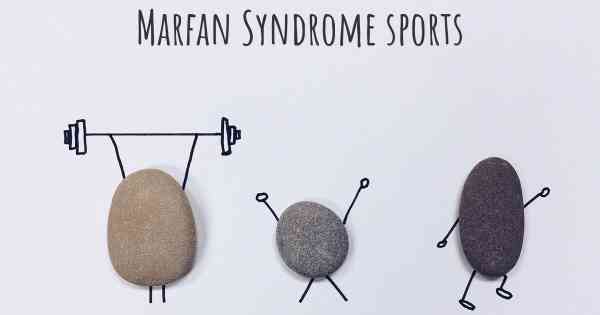
While individuals with Marfan syndrome are encouraged to maintain physical activity, it is essential to avoid high-intensity or contact sports to protect the cardiovascular system from excessive strain. Safe and Beneficial Activities For those living with Marfan syndrome, the goal of exercise is to improve cardiovascular health and muscle tone without putting undue stress on the aortic root. Low-to-moderate intensity aerobic activities such as brisk walking, light cycling on flat terrain, and swimming are generally considered safe.
6 people with Marfan Syndrome have shared their first-person experience on this question at DiseaseMaps.
While individuals with Marfan syndrome are encouraged to maintain physical activity, it is essential to avoid high-intensity or contact sports to protect the cardiovascular system from excessive strain.
For those living with Marfan syndrome, the goal of exercise is to improve cardiovascular health and muscle tone without putting undue stress on the aortic root. Low-to-moderate intensity aerobic activities such as brisk walking, light cycling on flat terrain, and swimming are generally considered safe. These activities help manage weight and improve overall stamina, which is vital for patients with Marfan syndrome. Yoga can also be beneficial for flexibility and stress reduction, provided that extreme poses that cause joint hyperextension or heavy straining are strictly avoided.
The primary concern for patients with Marfan syndrome is the risk of aortic dissection. Therefore, you must avoid isometric exercises—those that involve holding a weight or straining against resistance—as these can cause sudden, dangerous spikes in blood pressure. Competitive contact sports (such as football, rugby, or basketball) and activities involving heavy weightlifting or high-intensity interval training (HIIT) are contraindicated due to the risk of chest trauma and sudden cardiac stress.
Before beginning any new exercise regimen, you must obtain medical clearance from your cardiologist, who should perform an echocardiogram to assess your aortic diameter. When starting, use a "start low, go slow" approach. A physical therapist specializing in connective tissue disorders can help you design a program that focuses on low-impact movement and proper posture. If you are having a difficult day, do not push through pain or fatigue; instead, utilize pacing strategies like shorter, frequent movement breaks rather than one long, taxing session.
Consistent, moderate exercise helps improve mood, sleep quality, and muscle support for joints affected by Marfan syndrome. By staying active within safe parameters, you can better manage the fatigue often associated with this condition and maintain a higher quality of life.
Disclaimer: This information is for educational purposes and does not replace professional medical advice. Always consult your specialized medical team regarding your specific aortic status before starting any exercise program.