Short answer · Medically reviewed summary · Last updated: 2026-05-08
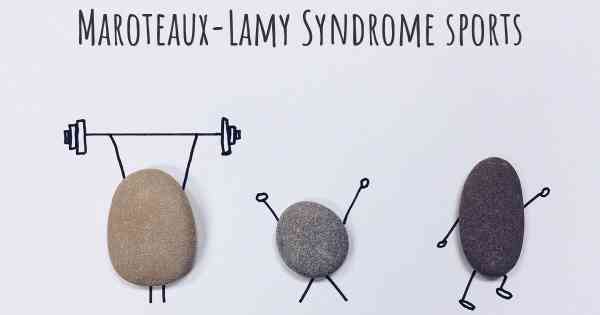
Physical activity is generally recommended for individuals with Maroteaux-Lamy Syndrome (MPS VI) to maintain joint mobility, muscle strength, and cardiovascular health. While exercise must be carefully adapted to account for skeletal abnormalities and joint stiffness, a tailored, low-impact program supervised by a physical therapist can significantly improve quality of life and functional independence. Is exercise safe for those with Maroteaux-Lamy Syndrome? Yes, but it must be approached with caution.
Physical activity is generally recommended for individuals with Maroteaux-Lamy Syndrome (MPS VI) to maintain joint mobility, muscle strength, and cardiovascular health. While exercise must be carefully adapted to account for skeletal abnormalities and joint stiffness, a tailored, low-impact program supervised by a physical therapist can significantly improve quality of life and functional independence.
Yes, but it must be approached with caution. Because Maroteaux-Lamy Syndrome involves progressive skeletal dysplasia and potential spinal cord compression, high-impact activities are often contraindicated. However, total inactivity can exacerbate joint contractures and muscle weakness. The goal is to find a balance that improves strength without putting excessive stress on vulnerable joints or the cervical spine.
Low-impact activities that minimize joint strain are best. Many patients with Maroteaux-Lamy Syndrome find success with:
Before beginning any new physical regimen, individuals with Maroteaux-Lamy Syndrome must obtain medical clearance from their metabolic specialist and orthopedist. Once cleared, working with a physical therapist familiar with connective tissue disorders or skeletal dysplasias is critical. Start with very short sessions—perhaps 5 to 10 minutes—and monitor for signs of pain or neurological changes, such as tingling or numbness, which require immediate rest.
Pacing is vital for managing the fatigue often associated with Maroteaux-Lamy Syndrome. On days when joint pain or stiffness is increased, focus on gentle, non-weight-bearing movements rather than strength training. Listen to your body; if a specific movement causes sharp pain, discontinue it immediately and consult your therapist for an alternative.
Medical disclaimer: This information is for educational purposes only and does not replace professional medical advice, diagnosis, or treatment; always consult your primary healthcare provider regarding your specific condition.