Short answer · Medically reviewed summary · Last updated: 2026-05-08

There is currently no scientifically proven natural or alternative treatment that can cure or replace conventional medical therapy for Melanoma. While integrative therapies can improve quality of life and support physical well-being, they must never be used as a substitute for standard medical interventions like surgery, immunotherapy, or targeted therapy. What is the role of complementary approaches in Melanoma care? Integrative medicine for Melanoma focuses on supportive care rather than tumor eradication.

12

Is there any natural treatment for Melanoma?

Natural treatments for Melanoma: what patients have tried and reported, with an evidence-based, medically reviewed summary.

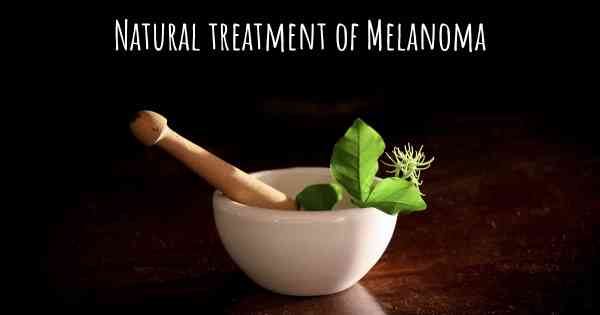
Natural treatment of Melanoma

There is currently no scientifically proven natural or alternative treatment that can cure or replace conventional medical therapy for Melanoma. While integrative therapies can improve quality of life and support physical well-being, they must never be used as a substitute for standard medical interventions like surgery, immunotherapy, or targeted therapy.


What is the role of complementary approaches in Melanoma care?


Integrative medicine for Melanoma focuses on supportive care rather than tumor eradication. Research confirms that while certain mind-body practices can reduce stress and treatment-related anxiety, no herbal supplement or natural remedy has demonstrated efficacy in shrinking or curing Melanoma cells. Patients often inquire about antioxidants or botanical extracts; however, these can sometimes interfere with the efficacy of potent cancer treatments like immunotherapy.


Are there evidence-based lifestyle practices for patients?


While no "natural cure" exists, clinical evidence suggests that specific supportive practices can help patients manage the physical and emotional burden of Melanoma. These approaches are intended to be used alongside, not in place of, your oncology treatment plan:


  • Mind-body interventions: Meditation, yoga, and mindfulness-based stress reduction (MBSR) are supported by clinical data to improve emotional resilience and sleep quality in cancer patients.

  • Acupuncture: Some studies suggest acupuncture may assist in managing chemotherapy-induced nausea or chronic pain associated with surgical sites.

  • Physical activity: Tailored exercise programs, supervised by a physical therapist, can help combat cancer-related fatigue and maintain muscle mass during treatment.

  • Nutrition: A balanced diet focused on whole foods supports immune function, though high-dose supplement use should be avoided without physician approval.


What risks should I be aware of regarding alternative therapies?


The primary risk when exploring natural treatments for Melanoma is the potential for dangerous drug-herb interactions. For instance, certain supplements can alter liver enzymes, which may change how your body processes life-saving Melanoma medications. Always disclose all supplements, teas, and tinctures to your oncology team to ensure they do not compromise your clinical outcomes.


Next steps


  • Discuss any complementary or natural approach with your oncologist before starting it.

  • Connect with the 30 members of our Melanoma community at DiseaseMaps.org to share experiences and supportive resources.

  • Maintain regular surveillance and follow-up appointments, as early detection remains the most effective strategy against Melanoma.


Medical disclaimer: This content is for informational purposes only and does not constitute medical advice; always consult with your healthcare provider regarding your specific treatment plan.


References


  • National Cancer Institute (NCI): PDQ® Integrative, Alternative, and Complementary Therapies.

  • NIH National Center for Complementary and Integrative Health (NCCIH).

  • American Cancer Society: Complementary and Alternative Methods for Cancer.

  • Melanoma Research Foundation (MRF).

Author: DiseaseMaps Editorial Team
Reviewed against authoritative medical sources (NIH GARD, Orphanet, OMIM)
Last updated: 2026-05-08
Sources cited: National Cancer Institute (NCI): PDQ® Integrative, Alternative, and Complementary Therapies. · NIH National Center for Complementary and Integrative Health (NCCIH). · American Cancer Society: Complementary and Alternative Methods for Cancer. · Melanoma Research Foundation (MRF). · GARD · WHO
Medical disclaimer: This information does not substitute professional medical advice. Always consult your doctor before making health decisions.
Source: DiseaseMaps.org
1 answer

Natural treatment of Melanoma

Melanoma life expectancy

What is the life expectancy of someone with Melanoma?

2 answers
Celebrities with Melanoma

Celebrities with Melanoma

1 answer
Is Melanoma hereditary?

Is Melanoma hereditary?

1 answer
Is Melanoma contagious?

Is Melanoma contagious?

1 answer
ICD9 and ICD10 codes of Melanoma

ICD10 code of Melanoma and ICD9 code

1 answer
Living with Melanoma

Living with Melanoma. How to live with Melanoma?

2 answers
Melanoma diet

Melanoma diet. Is there a diet which improves the quality of life of people...

2 answers
History of Melanoma

What is the history of Melanoma?

1 answer

World map of Melanoma

Find people with Melanoma through the map. Connect with them and share experiences. Join the Melanoma community.

Stories of Melanoma

MELANOMA STORIES

Tell your story and help others

Tell my story

Melanoma forum

MELANOMA FORUM

Ask a question and get answers from other users.

Ask a question

Find your symptoms soulmates

From now on you can add your symptoms in diseasemaps and find your symptoms soulmates. Symptoms soulmates are people with similar symptoms to you.

Symptoms soulmates

Add your symptoms and discover your soulmates map

Soulmates map