Short answer · Medically reviewed summary · Last updated: 2026-04-08
TL;DR: While Melkersson-Rosenthal Syndrome (MRS) can impact self-esteem and facial appearance, maintaining a healthy relationship is entirely possible through open communication, emotional vulnerability, and proactive symptom management. The 73 members of the DiseaseMaps community with Melkersson-Rosenthal Syndrome demonstrate that honesty about the condition’s episodic nature is the foundation for building long-term intimacy and trust. How does Melkersson-Rosenthal Syndrome impact romantic relationships? Melkersson-Rosenthal Syndrome is characterized by a triad of symptoms: recurring facial swelling (orofacial granulomatosis), facial nerve palsy, and a fissured tongue.
1 people with Melkersson-Rosenthal Syndrome have shared their first-person experience on this question at DiseaseMaps.
TL;DR: While Melkersson-Rosenthal Syndrome (MRS) can impact self-esteem and facial appearance, maintaining a healthy relationship is entirely possible through open communication, emotional vulnerability, and proactive symptom management. The 73 members of the DiseaseMaps community with Melkersson-Rosenthal Syndrome demonstrate that honesty about the condition’s episodic nature is the foundation for building long-term intimacy and trust.
Melkersson-Rosenthal Syndrome is characterized by a triad of symptoms: recurring facial swelling (orofacial granulomatosis), facial nerve palsy, and a fissured tongue. Because these symptoms affect the face, which is central to non-verbal communication and self-image, individuals with Melkersson-Rosenthal Syndrome may experience social anxiety or withdrawal during flare-ups. In relationships, the unpredictability of these episodes can cause stress. However, these challenges also provide an opportunity for partners to deepen their emotional connection by navigating the unpredictability of Melkersson-Rosenthal Syndrome together as a team.
Open communication is essential when living with a rare condition. If you are starting a new relationship, you do not need to disclose your diagnosis on the first date, but sharing information once you feel a sense of trust can alleviate the pressure of hiding symptoms. Explain that Melkersson-Rosenthal Syndrome is not contagious and describe how it affects you personally. Providing your partner with reliable resources from DiseaseMaps.org can help them understand that your symptoms are biological and not a reflection of your character or commitment to the relationship.
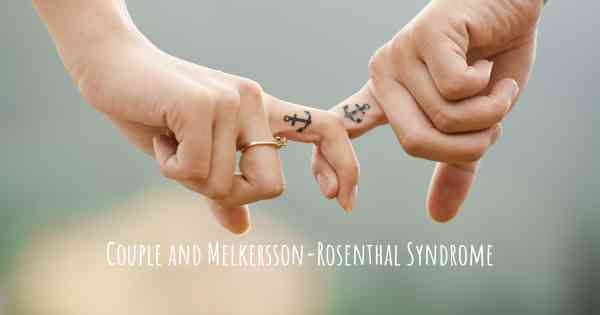
The impact of Melkersson-Rosenthal Syndrome on intimacy is primarily psychological rather than physiological. Facial swelling or palsy can lead to feelings of self-consciousness, which may temporarily lower your libido or desire for physical closeness. It is vital to remember that intimacy is multifaceted. When you are experiencing a flare-up of Melkersson-Rosenthal Syndrome, focus on non-sexual forms of physical affection, such as holding hands or cuddling, to maintain your bond without feeling the pressure to perform sexually until you feel comfortable and confident in your appearance again.
Partners and caregivers play a crucial role, but they must also prioritize their own well-being to remain effective, long-term allies. Consider these strategies for sustaining a healthy partnership:
While the exact cause of Melkersson-Rosenthal Syndrome is not fully understood, there is some evidence suggesting a genetic predisposition in some cases. If you are considering starting a family, it is recommended to consult with a clinical geneticist. They can help you understand the risks and provide guidance on how Melkersson-Rosenthal Syndrome might impact potential offspring, ensuring you have the information needed to make informed decisions for your future.
Medical disclaimer: This content is for informational purposes only and does not constitute medical advice, diagnosis, or treatment; always seek the advice of your physician or other qualified health provider with any questions regarding a medical condition.