Short answer · Medically reviewed summary · Last updated: 2026-04-07
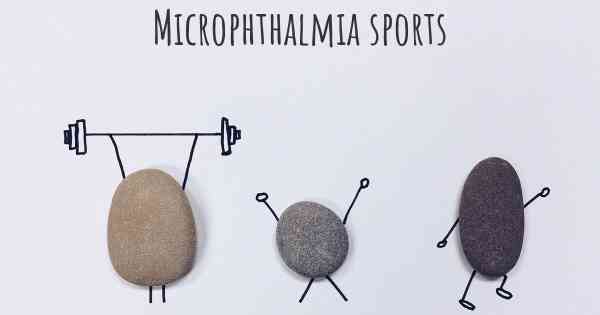
Yes, regular exercise is highly recommended for individuals with Microphthalmia, as it promotes overall physical health, cardiovascular fitness, and mental well-being. While Microphthalmia involves structural underdevelopment of one or both eyes, it does not inherently limit physical activity, provided that individuals take simple safety precautions to account for potential visual field deficits or depth perception challenges. Is exercise safe for those living with Microphthalmia? For the vast majority of people with Microphthalmia, physical activity is not only safe but essential for long-term health.
Yes, regular exercise is highly recommended for individuals with Microphthalmia, as it promotes overall physical health, cardiovascular fitness, and mental well-being. While Microphthalmia involves structural underdevelopment of one or both eyes, it does not inherently limit physical activity, provided that individuals take simple safety precautions to account for potential visual field deficits or depth perception challenges.
For the vast majority of people with Microphthalmia, physical activity is not only safe but essential for long-term health. Because Microphthalmia can affect depth perception and peripheral vision, the primary consideration is not the physiological strain of exercise, but rather the environmental safety of the chosen activity. Exercise helps improve bone density, cardiovascular health, and mood, which are vital for patients navigating the unique challenges associated with Microphthalmia. Always consult with your ophthalmologist or primary care physician to ensure your specific ocular anatomy is stable before starting a new, high-intensity regimen.
When selecting activities, focus on those that provide consistent movement while minimizing the risk of accidental falls or collisions. Beneficial activities often include:
While most sports are accessible, certain activities require extra vigilance due to the potential for ocular trauma or high-speed collisions. Contact sports (like boxing, martial arts, or high-speed ball sports) should be approached with extreme caution, as protecting the integrity of the eye is paramount. If you have Microphthalmia, avoid activities in environments with rapidly changing light conditions or significant clutter that might increase the risk of tripping. Always prioritize activities where you can maintain control over your immediate surroundings.
Physical therapy is a powerful tool for anyone living with Microphthalmia, especially if you experience balance or coordination issues related to visual impairment. A physical therapist can create a customized program to:
Medical disclaimer: This information is for educational purposes and does not replace professional medical advice, diagnosis, or treatment; always seek the advice of your physician or other qualified health provider with any questions regarding a medical condition.