Short answer · Medically reviewed summary · Last updated: 2026-04-07
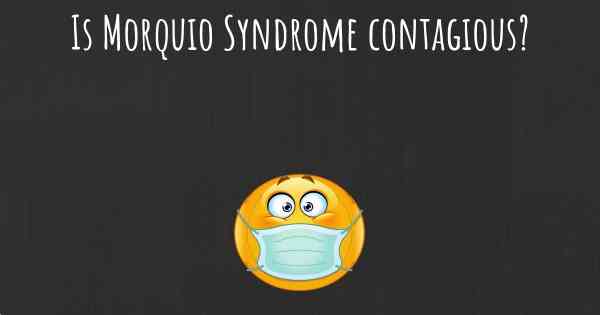
Morquio Syndrome is a genetic metabolic disorder and is not contagious in any way. As an epidemiologist, I want to reassure you that there is absolutely no risk of transmission when interacting with someone living with Morquio Syndrome. You cannot "catch" this condition through touch, air, water, or any form of social contact.
Morquio Syndrome is a genetic metabolic disorder and is not contagious in any way.
As an epidemiologist, I want to reassure you that there is absolutely no risk of transmission when interacting with someone living with Morquio Syndrome. You cannot "catch" this condition through touch, air, water, or any form of social contact. It is fundamentally impossible for a person to acquire this disease from another individual, as it is not caused by bacteria, viruses, or any infectious agent.
Morquio Syndrome, also known as Mucopolysaccharidosis type IV (MPS IV), is a rare, inherited lysosomal storage disorder. It occurs due to a deficiency in specific enzymes required to break down long chains of sugar molecules called glycosaminoglycans (GAGs). Because this is strictly a genetic condition—passed down through an autosomal recessive inheritance pattern—it is determined at the moment of conception. There are no environmental triggers, such as diet, climate, or exposure to pathogens, that can cause a person to develop Morquio Syndrome.
Because rare diseases are often unfamiliar to the general public, people may sometimes mistakenly fear what they do not understand. In the case of Morquio Syndrome, the physical differences in stature or skeletal development can sometimes lead to misguided social stigma. It is vital to emphasize that these physical manifestations are the result of internal biochemical processes, not any external contagion. Living with, hugging, playing with, or caring for a person with this condition is completely safe. There is no biological mechanism by which this condition could spread between individuals, and social isolation due to unfounded fear is both unnecessary and harmful to the well-being of the patient.
Medical Disclaimer: This information is provided for educational purposes only and does not constitute professional medical advice, diagnosis, or treatment. Always seek the advice of your physician or other qualified health provider with any questions you may have regarding a medical condition.