6
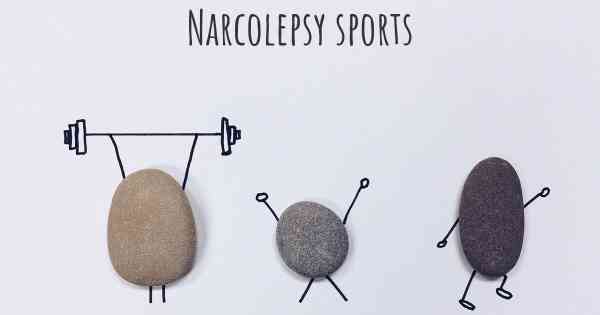
Is it advisable to do exercise when affected by Narcolepsy? Which activities would you suggest and how intense should they be?
Exercise with Narcolepsy: which activities patients recommend or avoid, and what the evidence says.
Excercise is always encouraged at whatever level/intensity you can manage. Better cardiovascular health is always a plus especially considering most of our medications cause issues in this area. Yoga works for me.
Posted Mar 2, 2017 by Rachael 1050
Moderate and often. I find yogalates helps
Posted Mar 2, 2017 by Sarah 1000
Exercise is always advisable but my be unattainable with untreated narcolepsy. For a narcoleptic with cataplexy exercise may trigger an attack, so always use caution.
Posted Apr 27, 2017 by Jennah 1100
I think all kind of activities were you get sweaty helps. Everything from powerwalk, cycling to MMA, crossfit and intervals.
As long as you think it's fun, because otherwise you won't do it!
As long as you think it's fun, because otherwise you won't do it!
Posted May 7, 2017 by Malin 1050
Exercise is definitely beneficial! Depends on each individual'sender case as to what/how much.
Posted May 10, 2017 by Susan 1000
Yes you can exercize. Walking yoga Pilates stretching
Posted Jun 12, 2017 by Faith 2000
Any exercise is good. Most of the time, people choose sleep though
Posted Jun 13, 2017 by Karen 2000
Yes it is, I play with my kids for exercise
Posted Aug 17, 2017 by Laurie 2271
Regular mild excersize can be very helpful in combating obesity, maintaining functional energy levels and reducing depression.
Posted Oct 6, 2017 by Aaron 2811
People with narcolepsy should maintain as much physical activity as they can tolerate.
Posted Oct 26, 2017 by Cyn 610
A person's level of activity / exercise should depend on the severity of the narcolepsy and whether or not the person also has cataplexy. Safety should always be the first priority for anyone with narcolepsy. But I don't believe there should be any limits placed on a person. Personally, I've played tennis, raquet ball, squash, and now play roller derby (a fully contact sport!). I'd recommend that a PWN do what they feel comfortable doing.
Posted May 21, 2018 by chazer25 3050
I personally love exercise, it can help give you energy but it can also wear someone with narcolepsy out. I excercise to keep my body healthy and my medication makes it possible cause I’m not as easily worn out as I was before the medication. I think a healthy body needs exercise.... but don’t expect it to cure your narcolepsy. Just know you can still make good lifestyle choices with the disease.
Posted Jul 7, 2018 by Casey Veater 1100
Yes everyone should exercise anything as long as you are up and moving like walking etc.
Posted Oct 13, 2021 by [email protected] 1700
Yes! Especially at least mild aerobic exercise for 30 minutes 5x/week. Any type is fine, as long as it is tolerated by the patient.
Posted Oct 13, 2021 by MandyW 600
Exercise has a positive influence on narcolepsy.
Cardio workout is recommended.
Cardio workout is recommended.
Posted Jul 13, 2023 by Feri Ascencion 1833
Any exercise is fine.
Posted Jul 15, 2023 by Emily 1115
Translated from spanish
Improve translation
yes, but always with due caution
Posted Apr 27, 2017 by marisa rosello 1050
Translated from french
Improve translation
Yes, any sport, the cost of a physical is needed to keep the shape.
Posted Apr 27, 2017 by Laïli 1000
Translated from spanish
Improve translation
Recommended with restrictions logical funcionqles that limit the risk of accident always according to the degree to which you suffer. Any contribution of dopamine and serotonin help to narcoléptico.
Posted Nov 2, 2017 by Juan 1500