Short answer · Medically reviewed summary · Last updated: 2026-05-08
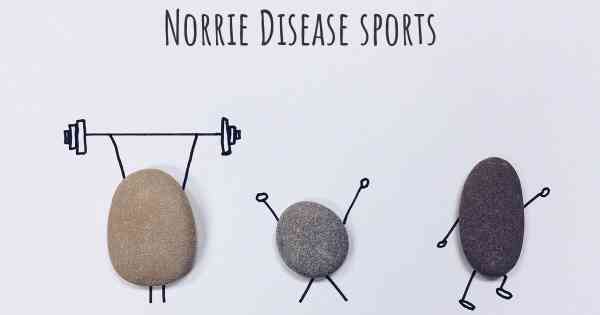
Yes, exercise is highly recommended for individuals with Norrie disease, as it promotes cardiovascular health, bone density, and emotional well-being. While Norrie disease primarily involves congenital blindness and potential hearing loss, physical activity can be safely adapted to support independence and overall quality of life. Why is physical activity beneficial for those with Norrie disease? Engaging in regular movement is vital for people living with Norrie disease, especially because sensory impairments may lead to a more sedentary lifestyle.
Yes, exercise is highly recommended for individuals with Norrie disease, as it promotes cardiovascular health, bone density, and emotional well-being. While Norrie disease primarily involves congenital blindness and potential hearing loss, physical activity can be safely adapted to support independence and overall quality of life.
Engaging in regular movement is vital for people living with Norrie disease, especially because sensory impairments may lead to a more sedentary lifestyle. Exercise helps improve proprioception (the body’s sense of position), enhances muscle tone, and provides a significant boost to mental health. For the 22 members of the DiseaseMaps community currently navigating life with Norrie disease, maintaining physical strength is an essential tool for managing the secondary challenges of the condition.
When approaching exercise with Norrie disease, the focus should be on activities that provide sensory feedback and stability. Low-impact, controlled movements are generally best. Recommended activities include:
Before starting, it is crucial to consult with your primary care physician or a specialist familiar with Norrie disease to rule out any underlying cardiovascular concerns. Always begin with a "start low, go slow" approach. If you experience fatigue, use pacing strategies—such as breaking a 30-minute session into three 10-minute blocks—to ensure you do not overexert yourself. Physical therapy is often an invaluable resource, as a therapist can design a customized program that accounts for the specific balance and sensory needs associated with Norrie disease.
Medical disclaimer: This information is for educational purposes only and does not replace professional medical advice, diagnosis, or treatment; always seek the advice of your physician regarding a medical condition.