Short answer · Medically reviewed summary · Last updated: 2026-04-07

Yes, exercise is highly recommended and medically beneficial for individuals affected by obesity, as it improves cardiovascular health, metabolic function, and mental well-being when performed safely. A structured, gradual approach tailored to your current physical capabilities is essential to ensure long-term sustainability and to avoid injury while managing obesity. Is exercise safe and beneficial for those living with obesity? Exercise is a cornerstone of health management for obesity.

6

Is it advisable to do exercise when affected by Obesity? Which activities would you suggest and how intense should they be?

Exercise with Obesity: which activities patients recommend or avoid, and what the evidence says.
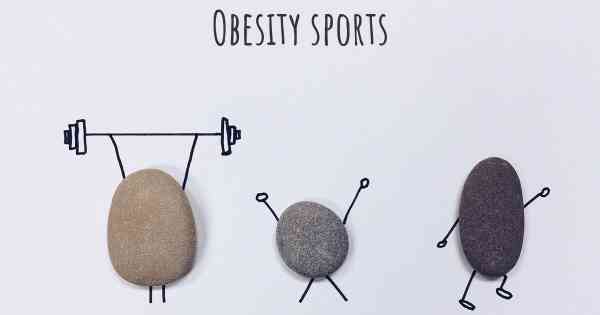
Obesity sports

Yes, exercise is highly recommended and medically beneficial for individuals affected by obesity, as it improves cardiovascular health, metabolic function, and mental well-being when performed safely. A structured, gradual approach tailored to your current physical capabilities is essential to ensure long-term sustainability and to avoid injury while managing obesity.


Is exercise safe and beneficial for those living with obesity?


Exercise is a cornerstone of health management for obesity. Beyond weight management, regular physical activity helps improve insulin sensitivity, lowers blood pressure, and significantly reduces the systemic inflammation often associated with obesity. For the 38 members of our DiseaseMaps community living with obesity, movement is not about punishment; it is about reclaiming strength and improving quality of life. Physical activity releases endorphins that can help manage the emotional burden often associated with chronic health conditions.


Which types of exercise are recommended for obesity?


The most effective activities for individuals managing obesity are those that provide cardiovascular benefits while minimizing excessive impact on the joints, which may already be under increased load. Low-impact activities are the gold standard for starting a routine:


  • Walking: A simple, accessible activity that can be adapted to any fitness level.

  • Water-based exercise: Swimming or water aerobics provide buoyancy, which reduces joint stress and allows for a greater range of motion.

  • Strength training: Building lean muscle mass increases your resting metabolic rate and provides stability to joints.

  • Yoga or Tai Chi: Excellent for improving flexibility, balance, and mind-body connection, which are vital for preventing falls and managing stress.


How can I safely begin an exercise program?


Safety is the priority when beginning an exercise program for obesity. Always obtain medical clearance from your primary care provider or an obesity medicine specialist before starting. Start with the "10-minute rule": commit to just 10 minutes of light activity, and if you feel well, you can gradually increase the duration by 5 minutes each week. Listen to your body; if an activity causes sharp or localized pain, stop immediately and consult a physical therapist. A physical therapist can create a customized rehabilitation plan to address specific musculoskeletal imbalances or limitations you may have.


Are there activities that should be approached with caution?


When managing obesity, it is advisable to approach high-impact exercises—such as running on concrete, jumping, or high-intensity interval training (HIIT) involving plyometrics—with extreme caution or to avoid them initially. These activities place significant force on the knees, hips, and ankles. If you are having a "difficult day" with high fatigue or joint pain, adopt a pacing strategy: prioritize gentle mobility exercises or restorative stretching over high-energy workouts to maintain consistency without overexerting yourself.


Next steps


  • Schedule an appointment with a physical therapist who has experience working with bariatric or obesity-related cases.

  • Start a movement journal to track your activity levels and how your body feels after each session.

  • Connect with the DiseaseMaps.org community to share experiences with others navigating the complexities of obesity.

  • Focus on consistency over intensity; aim for 150 minutes of moderate-intensity activity per week, broken into manageable 10-20 minute segments.


Medical disclaimer: This information is for educational purposes only and does not replace professional medical advice, diagnosis, or treatment; always consult with your healthcare provider regarding any physical activity plan.


References


  • National Institutes of Health (NIH) - Obesity and Overweight: https://www.niddk.nih.gov/health-information/weight-management

  • American College of Sports Medicine (ACSM) - Exercise Guidelines for Chronic Disease: https://www.acsm.org

  • World Health Organization (WHO) - Physical Activity and Obesity: https://www.who.int/news-room/fact-sheets/detail/obesity-and-overweight

Author: DiseaseMaps Editorial Team
Reviewed against authoritative medical sources (NIH GARD, Orphanet, OMIM)
Last updated: 2026-04-07
Medical disclaimer: This information does not substitute professional medical advice. Always consult your doctor before making health decisions.
Source: DiseaseMaps.org
1 answer

Obesity sports

Obesity life expectancy

What is the life expectancy of someone with Obesity?

1 answer
Celebrities with Obesity

Celebrities with Obesity

1 answer
Is Obesity hereditary?

Is Obesity hereditary?

1 answer
Is Obesity contagious?

Is Obesity contagious?

1 answer
ICD9 and ICD10 codes of Obesity

ICD10 code of Obesity and ICD9 code

1 answer
Natural treatment of Obesity

Is there any natural treatment for Obesity?

1 answer
Living with Obesity

Living with Obesity. How to live with Obesity?

1 answer
Obesity diet

Obesity diet. Is there a diet which improves the quality of life of people ...

1 answer

World map of Obesity

Find people with Obesity through the map. Connect with them and share experiences. Join the Obesity community.

Stories of Obesity

OBESITY STORIES

Tell your story and help others

Tell my story

Obesity forum

OBESITY FORUM
Obesity forum
I would like to know if there are more males or females with obesity

Ask a question and get answers from other users.

Ask a question

Find your symptoms soulmates

From now on you can add your symptoms in diseasemaps and find your symptoms soulmates. Symptoms soulmates are people with similar symptoms to you.

Symptoms soulmates

Add your symptoms and discover your soulmates map

Soulmates map