Short answer · Medically reviewed summary · Last updated: 2026-04-07

Depression and anxiety are significantly more prevalent in individuals with Panhypopituitarism than in the general population, primarily due to a combination of hormonal imbalances, the burden of chronic illness, and direct neuroendocrine effects on mood regulation. The Neurobiological Link In Panhypopituitarism, the pituitary gland fails to secrete essential hormones, many of which—such as thyroid hormones and cortisol—are critical for brain function and emotional stability. When these hormones are deficient, the body’s ability to regulate mood is compromised, potentially leading to symptoms like irritability, anxiety, and clinical depression.

1 people with Panhypopituitarism have shared their first-person experience on this question at DiseaseMaps.

24

Panhypopituitarism and depression

Panhypopituitarism and depression: how the condition can affect mood, what patients report and when to seek help.
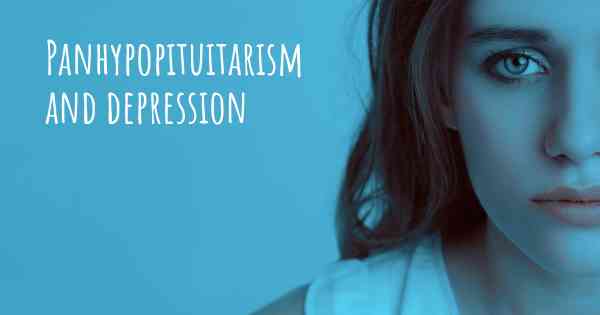
Panhypopituitarism and depression

Depression and anxiety are significantly more prevalent in individuals with Panhypopituitarism than in the general population, primarily due to a combination of hormonal imbalances, the burden of chronic illness, and direct neuroendocrine effects on mood regulation.


The Neurobiological Link


In Panhypopituitarism, the pituitary gland fails to secrete essential hormones, many of which—such as thyroid hormones and cortisol—are critical for brain function and emotional stability. When these hormones are deficient, the body’s ability to regulate mood is compromised, potentially leading to symptoms like irritability, anxiety, and clinical depression. Furthermore, the psychological impact of managing a complex, lifelong condition like Panhypopituitarism often creates a feedback loop where physical exhaustion exacerbates emotional distress.


Recognizing the Signs


Patients and caregivers should be vigilant for signs that differ from baseline symptoms, such as:


  • Persistent feelings of hopelessness or worthlessness.

  • Withdrawal from social activities previously enjoyed.

  • Significant changes in sleep patterns (beyond typical insomnia).

  • Increased irritability or difficulty concentrating.

  • Loss of interest in daily tasks or personal care.


Treatment and Support


Effective management involves a multidisciplinary approach. Cognitive Behavioral Therapy (CBT) and Acceptance and Commitment Therapy (ACT) are highly effective in helping patients manage the chronic pain and fatigue associated with Panhypopituitarism. Medication management must be carefully coordinated with an endocrinologist, as some antidepressants may interact with hormone replacement therapies. Joining our dedicated community at DiseaseMaps.org can provide essential peer support, reducing the isolation often felt by those living with Panhypopituitarism.


When to Seek Help


If you or a loved one are experiencing thoughts of self-harm or deep despair, please reach out for help immediately. In the U.S., call or text 988 to reach the Suicide & Crisis Lifeline, or contact your local emergency services. You do not have to carry this burden alone; professional mental health support is a vital component of your overall health plan.


Disclaimer: This information is for educational purposes only and does not replace professional medical advice, diagnosis, or treatment. Always consult with your endocrinologist or a qualified mental health provider regarding specific health concerns.


References


  • NIH Genetic and Rare Diseases Information Center (GARD)

  • Orphanet: The portal for rare diseases and orphan drugs

  • Pituitary Foundation: Resources for endocrine-related mental health

Author: DiseaseMaps Editorial Team
Reviewed against authoritative medical sources (NIH GARD, Orphanet, OMIM)
Last updated: 2026-04-07
Sources cited: NIH Genetic and Rare Diseases Information Center (GARD) · Orphanet: The portal for rare diseases and orphan drugs · Pituitary Foundation: Resources for endocrine-related mental health
Medical disclaimer: This information does not substitute professional medical advice. Always consult your doctor before making health decisions.
Source: DiseaseMaps.org
2 answers
Yes. depression is one of the main symptoms of the disease as well as anxiety and, in very severe cases, psychotic behaviors as well. Mental health is definitely one of the most difficult challenges of living with Panhypopituitarism in my opinion and can really disrupt your day to day life, especially socially.

Posted Dec 7, 2018 by Ty 4960
Panhypopituitarism and depression

Panhypopituitarism life expectancy

What is the life expectancy of someone with Panhypopituitarism?

3 answers
Celebrities with Panhypopituitarism

Celebrities with Panhypopituitarism

2 answers
Is Panhypopituitarism hereditary?

Is Panhypopituitarism hereditary?

2 answers
Is Panhypopituitarism contagious?

Is Panhypopituitarism contagious?

4 answers
ICD9 and ICD10 codes of Panhypopituitarism

ICD10 code of Panhypopituitarism and ICD9 code

2 answers
Natural treatment of Panhypopituitarism

Is there any natural treatment for Panhypopituitarism?

5 answers
Living with Panhypopituitarism

Living with Panhypopituitarism. How to live with Panhypopituitarism?

4 answers
Panhypopituitarism diet

Panhypopituitarism diet. Is there a diet which improves the quality of life...

3 answers

World map of Panhypopituitarism

Find people with Panhypopituitarism through the map. Connect with them and share experiences. Join the Panhypopituitarism community.

Stories of Panhypopituitarism

PANHYPOPITUITARISM STORIES
Panhypopituitarism stories
Пангипопитуитаризм возник вследствии опухоли гипофиза- краниофарингиомы, нет все гомонов гипофиза, гипофиза тоже нет
Panhypopituitarism stories
In September of 2013 I started to have prolonged headaches. I went to several doctors and a chiropractor but no one seemed to know why I was having headaches. I finally went to the ER and after dealing with initial looks of dismissal as to why I woul...
Panhypopituitarism stories
Mum to congenital pan-hypit girl
Panhypopituitarism stories
I was Born with PHP. I wasn't properly diagnosed until I was 3. 
Panhypopituitarism stories
A few doctors theorized my pregnancy caused a macro adenoma. I began having weird symptoms before I was diagnosed i.e. My hair started falling out, my nails began to pit, I had galactorrhea even though I quit nursing a year before, no menses, and I s...

Tell your story and help others

Tell my story

Panhypopituitarism forum

PANHYPOPITUITARISM FORUM
Panhypopituitarism forum
Even though I am taking typically 35mg of Hydrocortisone, 20 at 8 am, 10 at 11 am and 5 at 2pm I suffer from sensitivity to glare and feel light headed and dizzy. it is hard to concentrate and generally feel crook. I am on Testesterone gel, 1 sachet...
Panhypopituitarism forum
My 22-year-old nephew was diagnosed with panhypopituitarism before he was one year old. He's taken Cortef, growth hormone, and Synthroid since then. The last few years he's had problems with social anxieties and depression. He's done a lot of jumping...

Ask a question and get answers from other users.

Ask a question

Find your symptoms soulmates

From now on you can add your symptoms in diseasemaps and find your symptoms soulmates. Symptoms soulmates are people with similar symptoms to you.

Symptoms soulmates

Add your symptoms and discover your soulmates map

Soulmates map