Short answer · Medically reviewed summary · Last updated: 2026-04-08
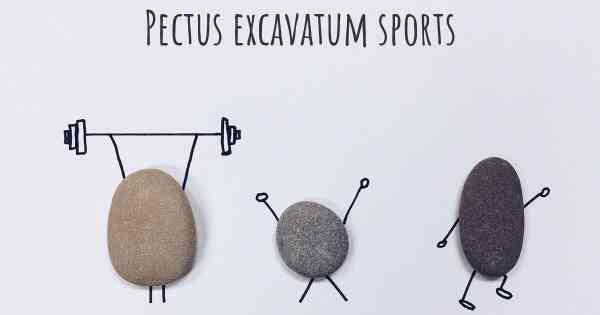
Yes, exercise is generally highly recommended for individuals with pectus excavatum, as it can improve cardiovascular endurance, posture, and psychological well-being. While exercise cannot correct the physical depression of the sternum, it is a vital tool for managing symptoms and strengthening the musculature surrounding the chest wall. Is exercise safe for those with pectus excavatum? For most people living with pectus excavatum, physical activity is not only safe but encouraged.
1 people with Pectus excavatum have shared their first-person experience on this question at DiseaseMaps.
Yes, exercise is generally highly recommended for individuals with pectus excavatum, as it can improve cardiovascular endurance, posture, and psychological well-being. While exercise cannot correct the physical depression of the sternum, it is a vital tool for managing symptoms and strengthening the musculature surrounding the chest wall.
For most people living with pectus excavatum, physical activity is not only safe but encouraged. Many patients avoid exercise due to concerns about chest pain or shortness of breath; however, sedentary behavior can lead to muscle atrophy and decreased lung capacity, which may exacerbate existing symptoms. With 81 members in the DiseaseMaps community sharing their experiences, we see that many individuals successfully maintain active lifestyles by focusing on cardiovascular health and core stabilization.
The goal of an exercise program for pectus excavatum is to improve thoracic mobility and strengthen the muscles that support the posture. Recommended activities include:
While there are no strict contraindications, individuals with severe pectus excavatum should approach high-impact sports or heavy contact sports with caution if they experience exertional chest pain or palpitations. If you experience dizziness, fainting, or severe fatigue during exercise, you must stop immediately and consult your physician. Always listen to your body’s signals rather than pushing through sharp, localized pain.
Before beginning a new regimen, it is essential to obtain medical clearance, particularly if your pectus excavatum is associated with cardiac or pulmonary compression. Start with a "low and slow" approach:
Physical therapy is a cornerstone of non-surgical management for pectus excavatum. A physical therapist can teach you specialized breathing techniques and corrective exercises to improve chest wall mechanics. By addressing the secondary effects of the condition, such as rounded shoulders or anterior pelvic tilt, therapy helps improve both physical function and body confidence.
Medical disclaimer: This information is for educational purposes only and does not replace professional medical advice, diagnosis, or treatment.