Short answer · Medically reviewed summary · Last updated: 2026-04-07

While there is no natural cure for Polycystic Ovary Syndrome (PCOS), several evidence-based lifestyle modifications and supplements can help manage symptoms like insulin resistance and hormonal imbalances when used alongside conventional medical care. Evidence-Based Lifestyle and Physical Interventions Lifestyle modification remains the first-line treatment for Polycystic Ovary Syndrome. Regular, moderate-intensity exercise—such as brisk walking, swimming, or strength training—is highly effective at improving insulin sensitivity, which is a core physiological challenge in PCOS.

2 people with Polycystic Ovary Syndrome have shared their first-person experience on this question at DiseaseMaps.

12

Is there any natural treatment for Polycystic Ovary Syndrome?

Natural treatments for Polycystic Ovary Syndrome: what patients have tried and reported, with an evidence-based, medically reviewed summary.
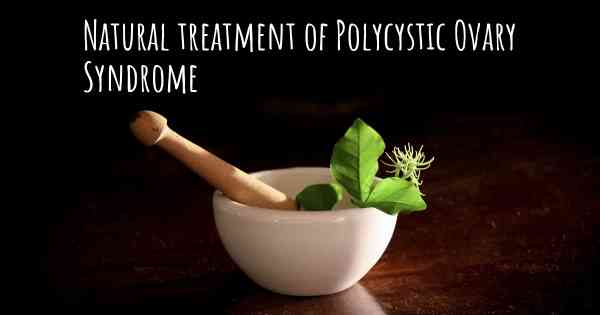
Natural treatment of Polycystic Ovary Syndrome

While there is no natural cure for Polycystic Ovary Syndrome (PCOS), several evidence-based lifestyle modifications and supplements can help manage symptoms like insulin resistance and hormonal imbalances when used alongside conventional medical care.


Evidence-Based Lifestyle and Physical Interventions


Lifestyle modification remains the first-line treatment for Polycystic Ovary Syndrome. Regular, moderate-intensity exercise—such as brisk walking, swimming, or strength training—is highly effective at improving insulin sensitivity, which is a core physiological challenge in PCOS. Integrating a low-glycemic index diet can further stabilize blood glucose levels, potentially helping to regulate the irregular periods often associated with the condition.


Supplements and Herbal Considerations


Many patients with Polycystic Ovary Syndrome utilize Inositol (specifically a 40:1 ratio of myo-inositol to d-chiro-inositol), which has shown promise in clinical trials for improving ovulation rates and insulin sensitivity. Other common supplements include Vitamin D and Omega-3 fatty acids, which may support metabolic health. However, herbal remedies like spearmint tea or licorice root, while popular for managing hirsutism (excess facial hair), have limited large-scale clinical trial data. It is vital to consult your physician before starting these, as they may interact with medications like Metformin or hormonal contraceptives.


Mind-Body Practices


Because Polycystic Ovary Syndrome is frequently linked to higher rates of anxiety and depression, mind-body therapies are essential. Acupuncture and mindfulness-based stress reduction (MBSR) may help modulate the nervous system and manage the stress-related exacerbation of symptoms. While evidence for acupuncture in restoring fertility remains mixed, many patients report significant improvements in their overall quality of life and perceived stress levels.


Safety and Coordination of Care


Never replace prescribed therapies for Polycystic Ovary Syndrome with natural supplements, as this can lead to disease progression. Always discuss any new supplement or alternative therapy with your endocrinologist or gynecologist to ensure there are no adverse interactions with your current treatment plan.


Medical Disclaimer: The information provided is for educational purposes only and does not constitute medical advice, diagnosis, or treatment. Always seek the advice of your physician or other qualified health provider with any questions you may have regarding a medical condition.


References


  • NIH Genetic and Rare Diseases Information Center (GARD): Polycystic Ovary Syndrome

  • International Evidence-based Guideline for the Assessment and Management of Polycystic Ovary Syndrome

  • Orphanet: Polycystic Ovary Syndrome

Author: DiseaseMaps Editorial Team
Reviewed against authoritative medical sources (NIH GARD, Orphanet, OMIM)
Last updated: 2026-04-07
Sources cited: NIH Genetic and Rare Diseases Information Center (GARD): Polycystic Ovary Syndrome · International Evidence-based Guideline for the Assessment and Management of Polycystic Ovary Syndrome · Orphanet: Polycystic Ovary Syndrome
Medical disclaimer: This information does not substitute professional medical advice. Always consult your doctor before making health decisions.
Source: DiseaseMaps.org
3 answers
Weight loss, dietary changes (low fat, high carb diets), and being active.

Posted May 22, 2017 by RKaye09 5080
Many believe and follow a more natural and lifestyle focused treatment plan

Posted Jun 21, 2018 by Shelby 2770
Natural treatment of Polycystic Ovary Syndrome

Polycystic Ovary Syndrome life expectancy

What is the life expectancy of someone with Polycystic Ovary Syndrome?

7 answers
Celebrities with Polycystic Ovary Syndrome

Celebrities with Polycystic Ovary Syndrome

2 answers
Is Polycystic Ovary Syndrome hereditary?

Is Polycystic Ovary Syndrome hereditary?

5 answers
Is Polycystic Ovary Syndrome contagious?

Is Polycystic Ovary Syndrome contagious?

6 answers
ICD9 and ICD10 codes of Polycystic Ovary Syndrome

ICD10 code of Polycystic Ovary Syndrome and ICD9 code

3 answers
Living with Polycystic Ovary Syndrome

Living with Polycystic Ovary Syndrome. How to live with Polycystic Ovary Sy...

6 answers
Polycystic Ovary Syndrome diet

Polycystic Ovary Syndrome diet. Is there a diet which improves the quality ...

9 answers
History of Polycystic Ovary Syndrome

What is the history of Polycystic Ovary Syndrome?

3 answers

World map of Polycystic Ovary Syndrome

Find people with Polycystic Ovary Syndrome through the map. Connect with them and share experiences. Join the Polycystic Ovary Syndrome community.

Stories of Polycystic Ovary Syndrome

POLYCYSTIC OVARY SYNDROME STORIES
Polycystic Ovary Syndrome stories
In 2012 i had a partial hysterectomy due to endometriosis.  Soon after i started to have severe pain in my lower abdominal area. After endless e.r visits and cyst popping and going through obgyn after obgyn i had myhormone levels cchecked and a sono...
Polycystic Ovary Syndrome stories
Hello, I am glad that I was able to find this site, where we can all come together and help each other overcome the struggle of this horrible disease. In 2010 my husband and i decided we wanted to start trying to a baby, so we started our journey wi...
Polycystic Ovary Syndrome stories
I was diagnosed with PCOS shortly after grauating high school. In high school i was pretty much an average weight 145lb at 5"7. Pretty great looking if you ask me. Then I started noticing a rapid weight gain more hair developing on my neck and chin, ...
Polycystic Ovary Syndrome stories
I started out as a nail chewer and hair chewer when I was a child. At age 13 I stopped nail biting and started cracking my knuckles. Age 14 began a 14 year struggle with an eating disorder. At 18 I began pulling out all my eyelashes and eyebrows and ...
Polycystic Ovary Syndrome stories
I have been officially diagnosed with PCOS since I was 18, but the problems started almost as soon as I got my period. It was heavy and painful and my mood swings were awful!!!  I have my first transvaginal ultrasound at 19 along with bloods, and t...

Tell your story and help others

Tell my story

Polycystic Ovary Syndrome forum

POLYCYSTIC OVARY SYNDROME FORUM

Ask a question and get answers from other users.

Ask a question

Find your symptoms soulmates

From now on you can add your symptoms in diseasemaps and find your symptoms soulmates. Symptoms soulmates are people with similar symptoms to you.

Symptoms soulmates

Add your symptoms and discover your soulmates map

Soulmates map