Short answer · Medically reviewed summary · Last updated: 2026-05-08
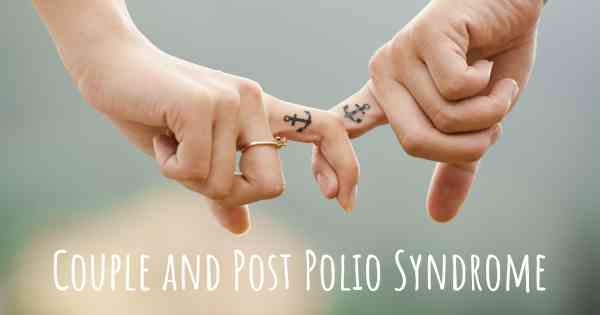
Post Polio Syndrome (PPS) can introduce complex challenges to romantic relationships due to chronic fatigue, mobility changes, and the fluctuating nature of symptoms, but many individuals maintain fulfilling, long-term partnerships through open communication and adaptive intimacy. While PPS is not a barrier to love, successfully managing a relationship requires both partners to acknowledge the physical limitations and emotional impact of the condition. How does Post Polio Syndrome affect intimacy and relationships? Living with Post Polio Syndrome often involves managing severe fatigue and muscle weakness, which can impact a person's energy levels for social and intimate activities.
2 people with Post Polio Syndrome have shared their first-person experience on this question at DiseaseMaps.
Post Polio Syndrome (PPS) can introduce complex challenges to romantic relationships due to chronic fatigue, mobility changes, and the fluctuating nature of symptoms, but many individuals maintain fulfilling, long-term partnerships through open communication and adaptive intimacy. While PPS is not a barrier to love, successfully managing a relationship requires both partners to acknowledge the physical limitations and emotional impact of the condition.
Living with Post Polio Syndrome often involves managing severe fatigue and muscle weakness, which can impact a person's energy levels for social and intimate activities. Because Post Polio Syndrome symptoms are often "hidden" or unpredictable, partners may struggle to understand why a "good day" is followed by a period of intense exhaustion. Intimacy may require planning for energy conservation, using assistive devices, or exploring non-traditional positions to accommodate physical comfort.
Clear communication is the foundation of a healthy partnership when one person has Post Polio Syndrome. It is essential to discuss your "energy budget" openly, allowing your partner to understand that your need for rest is a medical necessity, not a lack of interest. Practical strategies include:
Post Polio Syndrome is a neurological condition occurring in survivors of paralytic poliomyelitis; it is not a genetic disease and is not hereditary. Therefore, having Post Polio Syndrome does not increase the risk of passing the condition to children. However, prospective parents should consult a physician to discuss the physical demands of parenting, as the fatigue associated with Post Polio Syndrome can be significant when caring for an infant or young child.
If the dynamics of caregiving begin to overshadow the romantic partnership, or if the frustration of managing Post Polio Syndrome leads to isolation, couples counseling is highly recommended. A therapist specializing in chronic illness can help navigate the transition from a "partner-partner" dynamic to a "patient-caregiver" dynamic, ensuring the relationship remains balanced.
Medical disclaimer: This information is for educational purposes only and does not constitute medical advice; always consult with your healthcare provider regarding your specific health needs.